How Much Are Stairlifts To Install In Residential Homes?
Stairlifts have become an important home accessibility solution for individuals who experience difficulty using stairs. These devices provide a safe and convenient way to move between floors, especially for elderly residents or people with mobility challenges. By installing a stairlift, homeowners can improve comfort, independence, and overall safety within their homes.
Many families consider stairlifts when planning for aging in place or accommodating individuals with physical limitations. While the benefits of stairlifts are clear, one of the most common questions homeowners ask is how much it costs to install one. The total price can vary depending on several factors, including the type of staircase, the model of stairlift, and installation requirements.
Understanding the different cost factors involved in stairlift installation can help homeowners plan their budgets more effectively and choose the most suitable solution for their homes.
What Is a Stairlift and How Does It Work?
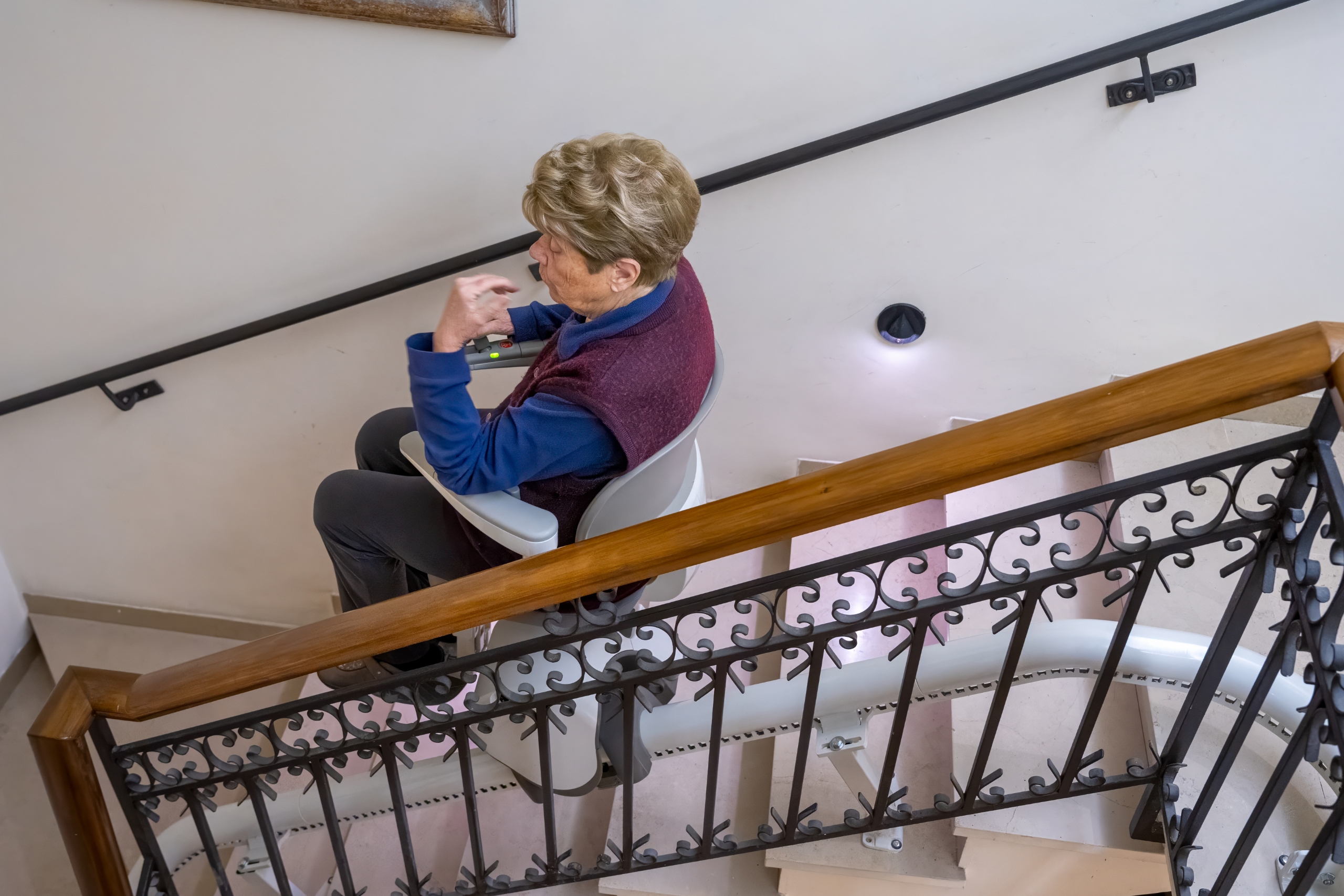
A stairlift is a mechanical chair that moves along a rail attached to a staircase, allowing individuals to travel safely between floors without climbing steps. The chair is typically powered by an electric motor and controlled by simple buttons or a remote control.
Stairlifts are designed to provide comfort and stability during operation. They often include safety features such as seat belts, swivel seats, and sensors that stop the lift if obstacles are detected on the stairs.
These devices are commonly installed in residential homes where mobility challenges make traditional stair use difficult or unsafe. Stairlifts help individuals maintain independence by allowing them to access different levels of their homes easily.
When evaluating residential stairlift installation costs, homeowners should first understand the type of stairlift that best suits their needs.
Types of Stairlifts and Their Price Differences
The cost of installing a stairlift largely depends on the type of staircase in the home. Straight staircases are typically the easiest and most affordable to install because they require a simple rail system.
Straight stairlift models are widely available and generally cost less because they do not require custom manufacturing. Installation is also quicker since the rail design is straightforward.
Curved staircases, on the other hand, require customized rail systems that match the shape and turns of the stairs. These customized designs increase both manufacturing and installation costs.
Outdoor stairlifts designed for exterior staircases may also cost more due to weather-resistant materials and protective features.
Factors That Affect Installation Costs
Several factors influence the overall cost of installing a stairlift in a residential home. The design and length of the staircase are among the most significant considerations.
Longer staircases require longer rail systems, which increases material costs. Homes with multiple landings or curved stairs may require custom rail designs, which are more expensive to produce.
Additional features can also affect pricing. Optional upgrades such as power swivel seats, remote controls, or enhanced safety sensors may increase the total cost.
Installation labor costs also vary depending on the complexity of the staircase and the time required for installation.
Average Cost Range for Residential Stairlifts
The price of stairlift installation can vary widely depending on the type of system and customization required. Straight stairlifts are generally the most affordable option for homeowners.
On average, straight stairlifts typically range from approximately $2,000 to $5,000, including installation. These models are common in homes with simple staircases and require minimal customization.
Curved stairlifts are more complex and usually cost significantly more. Prices for custom curved systems can range from $7,000 to $15,000 or higher, depending on the design.
Outdoor stairlifts may also fall within similar price ranges due to the specialized materials used for durability and weather resistance.
Benefits of Installing a Stairlift
Although stairlifts require an initial investment, they offer significant benefits for homeowners and families. One of the most important advantages is increased safety.
Staircases can present serious risks for individuals with limited mobility. Stairlifts help prevent falls and injuries by providing a secure method of traveling between floors.
These devices also support independent living. Individuals who may otherwise struggle with stairs can continue using their entire home comfortably.
Stairlifts also contribute to modern home accessibility technology, improving the quality of life for residents while making homes more adaptable to changing mobility needs.
Conclusion
Installing a stairlift in a residential home can significantly improve safety, accessibility, and independence for individuals who have difficulty navigating stairs. While the cost of stairlift installation varies depending on the type of staircase, customization requirements, and additional features, many homeowners find that the benefits outweigh the initial investment. Straight stairlifts are typically the most affordable option, while curved or custom staircases require more specialized systems and higher costs.
Understanding the factors that influence stairlift pricing helps homeowners make informed decisions when selecting the right system for their needs. In addition to improving mobility and reducing the risk of accidents, stairlifts allow individuals to remain comfortable in their homes for longer periods. As accessibility technology continues to advance, stairlifts remain one of the most practical solutions for improving residential mobility. By investing in the right system, homeowners can create safer and more comfortable living environments that support long-term independence and convenience.