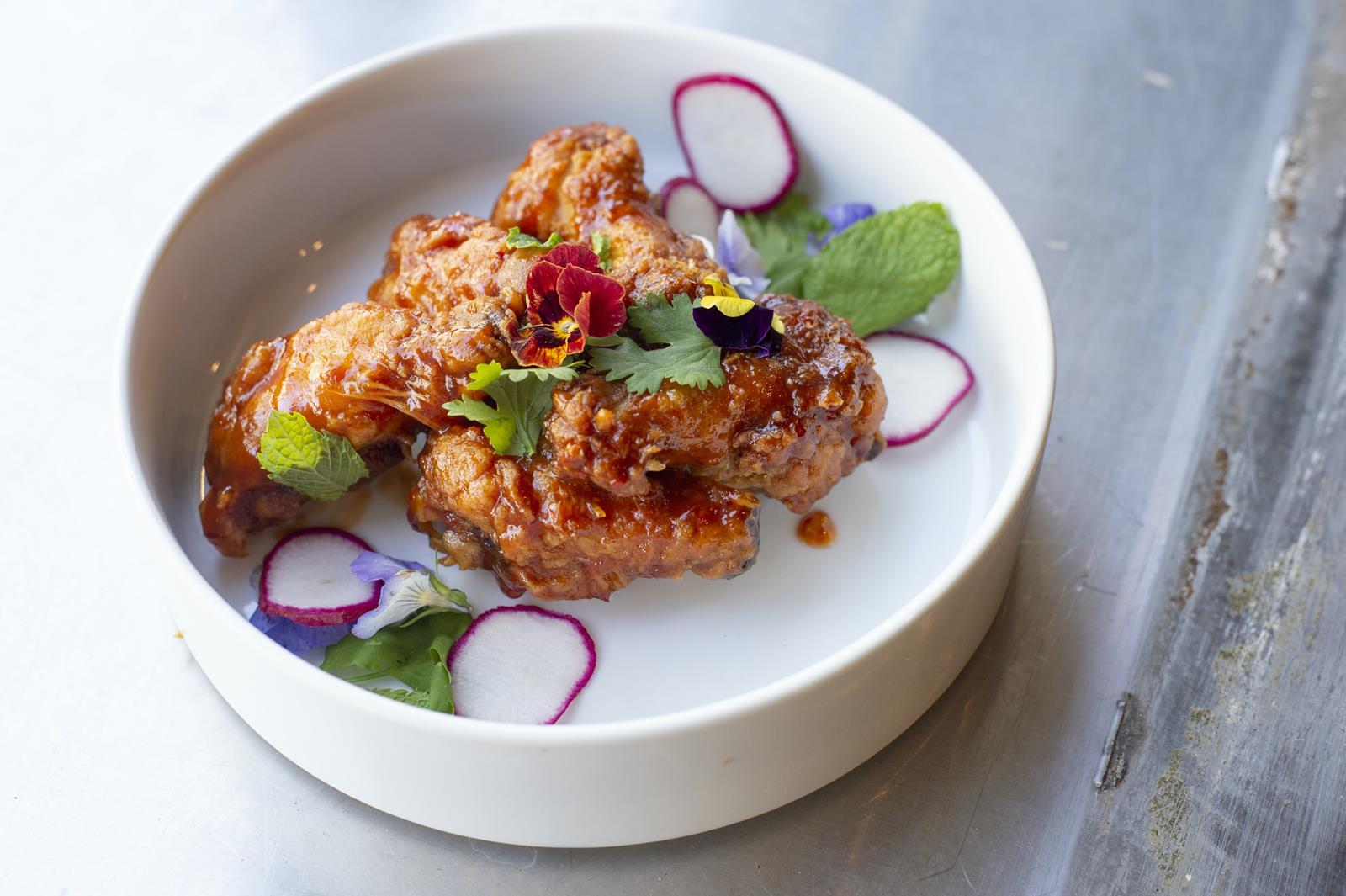
Fine Dining Restaurant Dressing Codes
Fine dining restaurants are known for offering more than just high-quality food. They provide a complete dining experience that includes elegant interiors, attentive service, carefully crafted menus, and a refined atmosphere. To maintain this environment, many upscale restaurants implement dress codes that encourage guests to present themselves in a polished and sophisticated manner.
Dress codes help create a consistent atmosphere where diners can fully enjoy the luxury and elegance associated with fine dining. While these guidelines may vary from one restaurant to another, they generally promote stylish, neat, and appropriate attire rather than overly casual clothing.
For guests visiting an upscale restaurant for the first time, understanding what to wear can help avoid confusion and ensure a comfortable experience. Knowing the expectations of fine dining attire allows diners to feel confident while respecting the standards of the establishment.
Why Fine Dining Restaurants Have Dress Codes
Fine dining restaurants place great emphasis on atmosphere and presentation. Every detail within these establishments, from table settings to background music, is designed to create a memorable and elegant experience.
Dress codes help maintain this atmosphere by encouraging guests to dress in a way that complements the refined setting. When diners follow appropriate attire guidelines, the overall environment feels more cohesive and sophisticated.
Restaurants that maintain high standards of service and décor often want guests to participate in the same level of formality. This helps distinguish fine dining establishments from casual restaurants.
Understanding fine dining etiquette and dress standards helps diners appreciate why these guidelines exist and how they contribute to the overall dining experience.
Common Types of Fine Dining Dress Codes
Fine dining establishments may use several different dress code categories depending on the formality of the restaurant. One of the most common standards is “smart casual,” which encourages stylish but comfortable clothing.
Smart casual attire typically includes collared shirts, elegant blouses, dress pants, skirts, or stylish dresses. The goal is to look polished while maintaining a relaxed level of comfort.
Another common dress code is “business casual.” This style is slightly more formal and may include blazers, tailored shirts, and sophisticated footwear.
In more luxurious establishments, restaurants may require formal or semi-formal attire, especially during evening service or special events.
Appropriate Attire for Men
Men visiting fine dining restaurants should aim for a clean, well-fitted, and refined appearance. A collared shirt paired with dress pants is a common and widely accepted outfit.
In more formal settings, adding a blazer or sports jacket can elevate the overall look. Dark jeans may sometimes be acceptable in smart casual environments, but distressed or overly casual denim is generally discouraged.
Footwear is another important detail. Leather dress shoes or polished loafers are often recommended because they complement formal or semi-formal attire.
Avoiding overly casual clothing such as shorts, athletic wear, or graphic T-shirts helps ensure that the outfit matches the elegant setting of the restaurant.
Appropriate Attire for Women
Women have many stylish options when preparing for a fine dining experience. Elegant dresses, blouses paired with skirts, or tailored pants are common choices that align with upscale restaurant standards.
Accessories such as subtle jewelry, scarves, or handbags can add sophistication to the overall outfit without appearing excessive.
Footwear is also important in fine dining environments. Heels, dressy flats, or elegant closed-toe shoes are generally more appropriate than casual sandals or athletic shoes.
The goal is to maintain a balanced appearance that feels both fashionable and respectful of the restaurant’s refined atmosphere.
What to Avoid When Dining in Upscale Restaurants
While dress codes may vary slightly depending on the restaurant, there are several types of clothing that are generally discouraged in fine dining settings.
Casual clothing such as flip-flops, sportswear, tank tops, beachwear, or ripped jeans often conflicts with the formal environment of upscale restaurants. Baseball caps and overly casual hoodies are also typically avoided.
Restaurants aim to create an environment where guests can enjoy a sophisticated dining experience. Clothing that appears overly relaxed may disrupt that atmosphere.
Following a luxury dining experience guide can help diners choose appropriate attire and avoid any discomfort or confusion upon arrival.
Conclusion
Fine dining restaurants are designed to offer memorable experiences that combine exceptional cuisine, attentive service, and an elegant atmosphere. Dress codes play an important role in maintaining this refined environment by encouraging guests to dress in a way that complements the sophistication of the establishment. When diners follow these guidelines, they contribute to the overall ambiance and help preserve the unique character of upscale dining venues.
Understanding what to wear when visiting a fine dining restaurant allows guests to feel confident and comfortable while enjoying their meal. Choosing polished and stylish clothing not only respects the restaurant’s standards but also enhances the sense of occasion that many people seek when dining in luxury settings. Whether celebrating a special event, enjoying a romantic dinner, or attending a formal gathering, appropriate attire adds to the enjoyment of the experience. By following dress code expectations, diners can fully appreciate the elegance and attention to detail that make fine dining truly special.