
Politics – A Complex Set Of Interactions

Politics is the system of action that is related to making decisions within groups, or socio-economic forms of political power relations between people, including the distribution of income or status as a reward for their actions. The branch of sociology that studies government and politics is known as political science. In some countries, politics is included in the National Science curriculum. Some areas of politics have become so applicable, that they are now used as the foundation for advanced studies in a few others. For instance, political science has applied research in areas like international security and diplomacy, development at the local, national and regional levels, health care, families, immigration and nationalities. There are lot of funny t shirts for men related to politics.

The study of politics has some basic assumptions, which have been corroborated by numerous empirical researches over time. Politics is based on consent. Power, which is usually defined as the political system’s use of force to govern its people, excludes the majority rules. Power is distributed according to political parties in an equation of forces that form a network of interests guided by charismatic leaders who claim loyalty to the political power structure. The process of making laws is called legislative politics.

Within this system there is a division of spheres of influence. At the centre are the ‘focal point’, the personage who makes decisions, and whose decisions are subject to legal scrutiny and control by other agents of influence. At the peripherals of influence are subordinates. Subordinates are citizens who can be controlled by the majorities or majoritarian groups but not necessarily by the actors who dominate the decision-making process. This article discusses the concept of politics, how politics relates to the institutions and processes of popular groups and how politics affects the subordinates of those groups.

Politics and political science are closely related. The core concepts of politics incorporate the processes of making laws, legitimacy, representation and accountability. It also includes the main philosophical schools of political science including Machiavelli, Hobbes, Enlightenment philosophers, reactionaries and social scientists.

Politics and political science are closely related. The core concepts of politics incorporates the processes of making laws, legitimacy, representation and accountability. It also includes the main philosophical schools of political science including Machiavelli, Hobbes, Enlightenment philosophers, reactionaries and social scientists. Machiavellian philosophy is an ethical theory which suggests the use of force as a means to obtain rewards. A similar idea to Machiavellian philosophy is called coercion, which is the means to ensure that one gets what they want.

Political science theories suggest that individuals are inherently rational, but also susceptible to the influence of powerful groups. Group size has been determined to affect the prevalence of coercion, with smaller groups being more likely to have large doses of coercion than larger ones. However, the nature of the relation between coercion and power is largely unknown, with many theories have only been able to describe the existence of powerful people at the top of socio-economic rankings.

The main article focuses on coercion and its relationship with political systems. Although there is considerable debate on the exact role that coercion plays within modern political systems, there are a few things that all political theories agree on. Corollary to this is that there is a need for some form of punishment for those who are willing to take part in wrong actions, such as laws that prevent discrimination or violence against minorities, and the rewards systems that many societies employ. In addition, powerful people who are not legally bound to serve properly will not be motivated to serve their fellowmen, and so will not be sufficiently motivated to do the right thing.

This article intends to provide a simple explanation of politics. Politics is a complicated and vast subject, and it is not possible to explain it completely in this article. However, the main article has explained why it is that politics can be described as a complex set of interactions between people, with each person playing a specific role. Individuals play a role in politics, as they choose to either participate actively in politics, or passively by voting, and/or paying taxes. Humans are social animals, and politics are a way for groups of people to band together against a common enemy, as was the case throughout much of history.
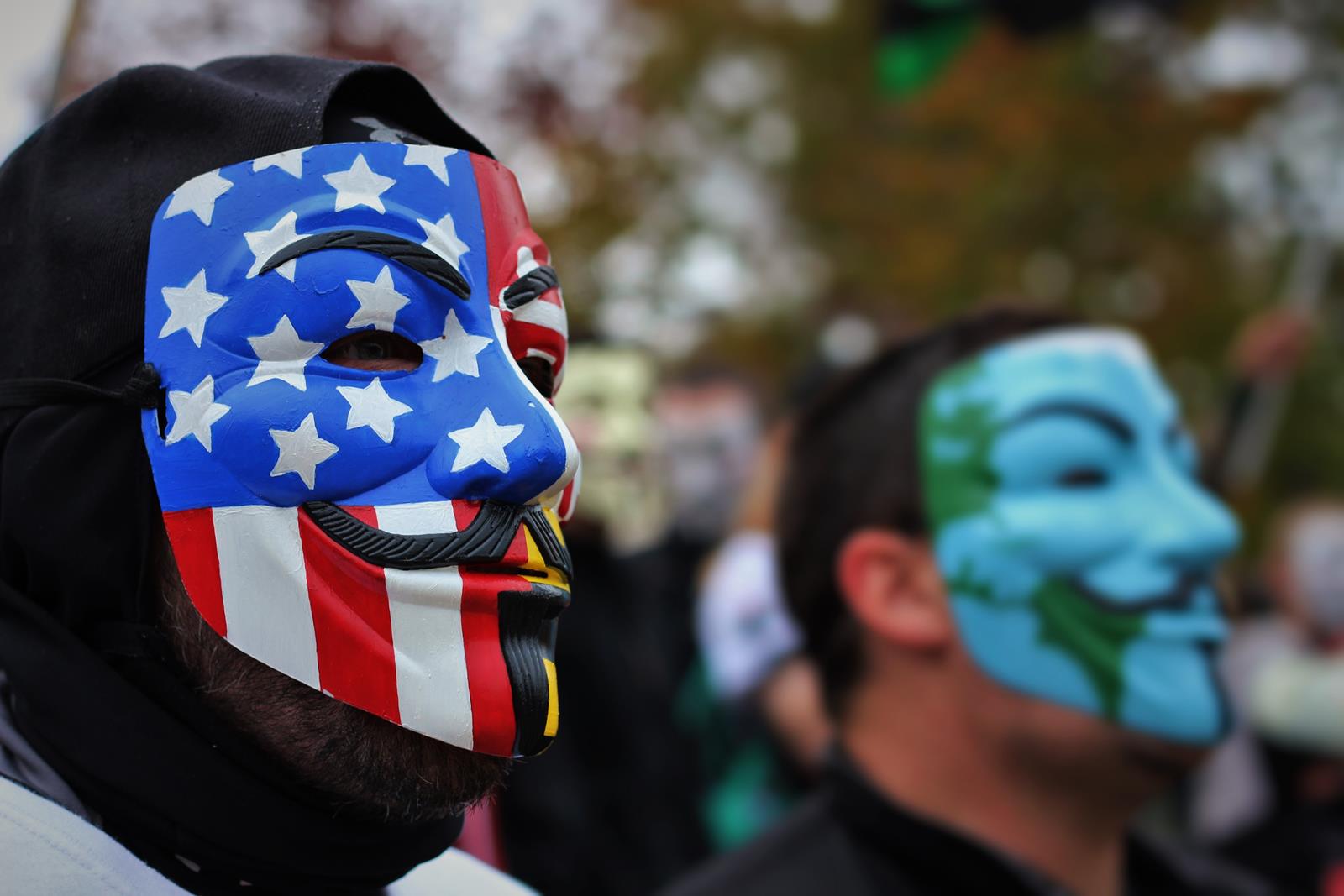
An Overview Of Politics

Politics plays a significant role in shaping societies, influencing how communities are governed, how laws are created, and how public resources are distributed. At its core, politics involves the processes through which groups of people make collective decisions. These decisions affect nearly every aspect of daily life, including education, healthcare, economic policies, and international relations.

Political systems differ across countries, but they all aim to establish structures that guide leadership, maintain order, and represent the interests of citizens. Governments, political parties, and public institutions work together within these systems to manage public affairs and address societal challenges.

Understanding politics is important because it allows individuals to become more informed about the decisions that influence their lives. By learning about how political systems operate, citizens can better understand their rights, responsibilities, and opportunities to participate in shaping their communities and the future of their nations.

What Politics Means in Society

Politics can be broadly defined as the activities associated with governing a country or community. It involves decision-making processes that determine how power and resources are distributed within a society.

At the societal level, politics helps establish order and structure. Governments create laws and policies designed to maintain stability, promote development, and protect the rights of citizens. These laws influence areas such as public safety, economic activity, environmental protection, and social welfare.

Political interactions occur not only within governments but also among citizens, organizations, and interest groups. These participants often express different perspectives on public issues and advocate for policies that reflect their values and priorities.

The study of the foundations of political systems helps explain how power operates in different societies and how political institutions shape decision-making processes.

The Role of Government

Government is one of the central institutions in political systems. It is responsible for creating laws, implementing policies, and ensuring that public services function effectively. Governments typically consist of multiple branches that work together to manage national affairs.

In many countries, government structures include a legislative branch that creates laws, an executive branch that enforces them, and a judicial branch that interprets them. This separation of powers helps maintain balance and prevent the concentration of authority in a single institution.

Governments also play a key role in managing national resources and providing essential services. Infrastructure development, education systems, healthcare programs, and social services often rely on government oversight and funding.

Through these responsibilities, governments influence the quality of life and overall stability of the societies they serve.

Political Parties and Public Representation

Political parties are organizations that represent specific political ideas, policy goals, or ideological perspectives. They play an important role in democratic systems by presenting candidates for public office and offering voters different policy choices.

Parties often develop platforms that outline their positions on issues such as economic policy, social programs, environmental protection, and foreign relations. During elections, political parties compete for public support by promoting their vision for governance.

Political parties also help organize political participation. They mobilize voters, encourage public debate, and contribute to shaping national policy discussions.

By offering alternative viewpoints and policy proposals, political parties contribute to a dynamic political environment where citizens can choose leaders and policies that align with their interests.

Political Participation and Civic Engagement

Political participation refers to the ways citizens become involved in the political process. Voting in elections is one of the most common forms of participation, allowing individuals to choose leaders and influence government decisions.

However, participation extends beyond voting. Citizens may engage in political discussions, join community organizations, attend public meetings, or advocate for specific policy changes.

Active participation helps ensure that governments remain responsive to the needs and concerns of the population. When citizens express their views and contribute to public dialogue, they help shape the direction of public policy.

Encouraging participation also strengthens democratic systems by promoting accountability and transparency in governance.

The Importance of Political Awareness

Political awareness allows individuals to understand the issues affecting their communities and the broader world. When people are informed about political developments, they can evaluate policies, leaders, and public decisions more effectively.

Education and access to information play important roles in building political awareness. Schools, universities, media organizations, and public institutions all contribute to helping citizens understand political processes.

An informed population is better equipped to engage in constructive debate and participate in democratic decision-making. Awareness also helps individuals recognize how policies influence economic opportunities, social programs, and international relations.

Developing civic awareness and public leadership encourages individuals to contribute responsibly to the political life of their communities.

Conclusion

Politics is a fundamental aspect of organized society, shaping how communities make decisions, resolve conflicts, and pursue collective goals. Through political systems and institutions, societies establish structures that guide leadership, create laws, and manage public resources. Understanding these processes helps individuals recognize the role of government, political parties, and civic participation in shaping the future of their communities.

An informed perspective on politics allows citizens to engage thoughtfully with public issues and participate in democratic processes. By learning about governance, political institutions, and policy-making, individuals gain a clearer understanding of how decisions are made and how they can influence those decisions. Political awareness also strengthens societies by encouraging responsible participation and dialogue among citizens. When people remain informed and involved, political systems become more responsive and accountable. Ultimately, understanding politics is not only about studying governments and policies but also about recognizing the shared responsibility of citizens in shaping the direction and well-being of their societies.