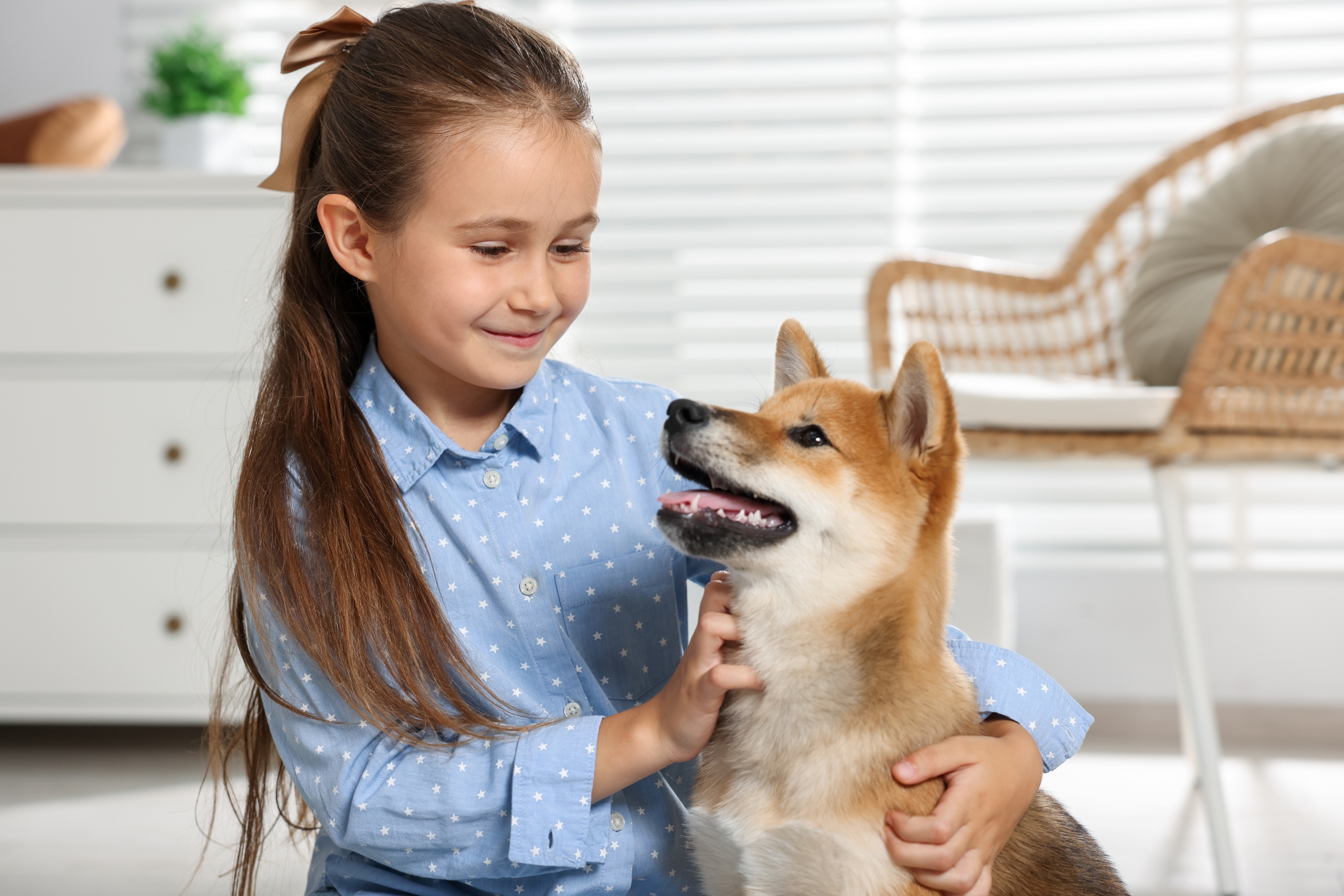
How To Understand Your Dog’s Body Language And Behavior
Dogs communicate with humans in many ways, but unlike people, they cannot express their feelings through words. Instead, they rely on body language, facial expressions, and behavior to show how they feel and what they need. Understanding these signals can help dog owners build stronger relationships with their pets and respond appropriately to their needs.
Many dog behaviors that seem confusing at first actually carry clear meanings when observed carefully. Tail movements, ear positions, posture, and vocal sounds all contribute to how dogs communicate with people and other animals. When owners learn to recognize these signals, they can better understand whether their dog feels happy, anxious, playful, or uncomfortable.
Developing this understanding is important for maintaining a healthy and trusting relationship between dogs and their owners. By paying attention to behavioral cues, pet owners can create safer environments and strengthen communication with their pets.
The Importance of Observing Dog Behavior
Observing a dog’s behavior closely helps owners understand what their pet is experiencing emotionally and physically. Dogs often use subtle signals to communicate before they resort to barking or other more obvious actions.
For example, a dog may show signs of stress through pacing, lowered ears, or avoiding eye contact. These behaviors can indicate discomfort or anxiety in certain situations.
When owners recognize these signals early, they can respond calmly and prevent the situation from escalating into fear or aggression. This awareness improves communication between dogs and their owners.
Learning about interpreting dog body language signals allows pet owners to understand their dogs’ needs more accurately and respond in supportive ways.
Understanding Tail Movements
A dog’s tail is one of the most recognizable indicators of its emotional state. However, tail wagging does not always mean that a dog is happy.
A relaxed wag with a loose body often indicates excitement or friendliness. Dogs may wag their tails when greeting their owners or when they anticipate playtime.
On the other hand, a stiff tail or slow wag can signal uncertainty or caution. In some cases, a high and rigid tail position may indicate alertness or dominance.
Observing the entire body posture along with tail movement helps owners interpret what their dog is trying to communicate.
Reading Facial Expressions and Ear Positions
Dogs also express emotions through their facial expressions and ear positions. Relaxed ears and soft eyes often indicate that a dog feels calm and comfortable.
When a dog’s ears move forward and its eyes focus intently on something, it may be showing curiosity or alertness. This behavior is common when dogs notice unfamiliar sounds or movements.
Conversely, flattened ears and narrowed eyes may indicate fear or anxiety. Dogs may also lick their lips or yawn repeatedly when they feel stressed.
Recognizing these facial signals allows owners to better understand their dog’s emotional state.
Body Posture and Movement
A dog’s posture provides important clues about how it feels in different situations. A relaxed dog typically stands or lies down comfortably with loose muscles and natural movements.
Playful dogs often display energetic movements such as jumping, bowing forward, or wagging their tails enthusiastically. The well-known “play bow,” where a dog lowers its front legs while keeping its rear raised, usually signals an invitation to play.
In contrast, a stiff posture with raised fur along the back may indicate fear, aggression, or defensive behavior.
Understanding these body cues helps owners determine whether their dog is comfortable or feeling threatened.
Responding to Your Dog’s Signals
Recognizing a dog’s communication signals is only the first step. Owners should also respond in ways that make their dogs feel safe and understood.
If a dog shows signs of fear or anxiety, providing space and a calm environment can help the animal relax. For playful behavior, engaging in activities such as fetch or walks helps satisfy the dog’s need for exercise and interaction.
Positive reinforcement training can also strengthen communication between dogs and their owners. Rewarding good behavior encourages trust and cooperation.
Practicing responsible pet care practices helps ensure that dogs feel secure and well understood in their home environments.
Conclusion
Understanding a dog’s language through its actions and behaviors is essential for building a strong and trusting relationship between pets and their owners. Dogs rely heavily on body language, facial expressions, and subtle behavioral signals to communicate their emotions and needs. By observing these cues carefully, owners can gain valuable insights into how their dogs are feeling in different situations.
Recognizing signals such as tail movements, ear positions, posture changes, and facial expressions allows owners to respond appropriately and support their dog’s well-being. This understanding helps prevent misunderstandings and reduces the risk of stress or behavioral issues. When owners learn to interpret their dog’s communication, they create a safer and more positive environment where their pets feel comfortable and secure. Developing this awareness also strengthens the bond between humans and dogs, allowing both to enjoy a healthier and more fulfilling companionship built on trust, care, and effective communication.