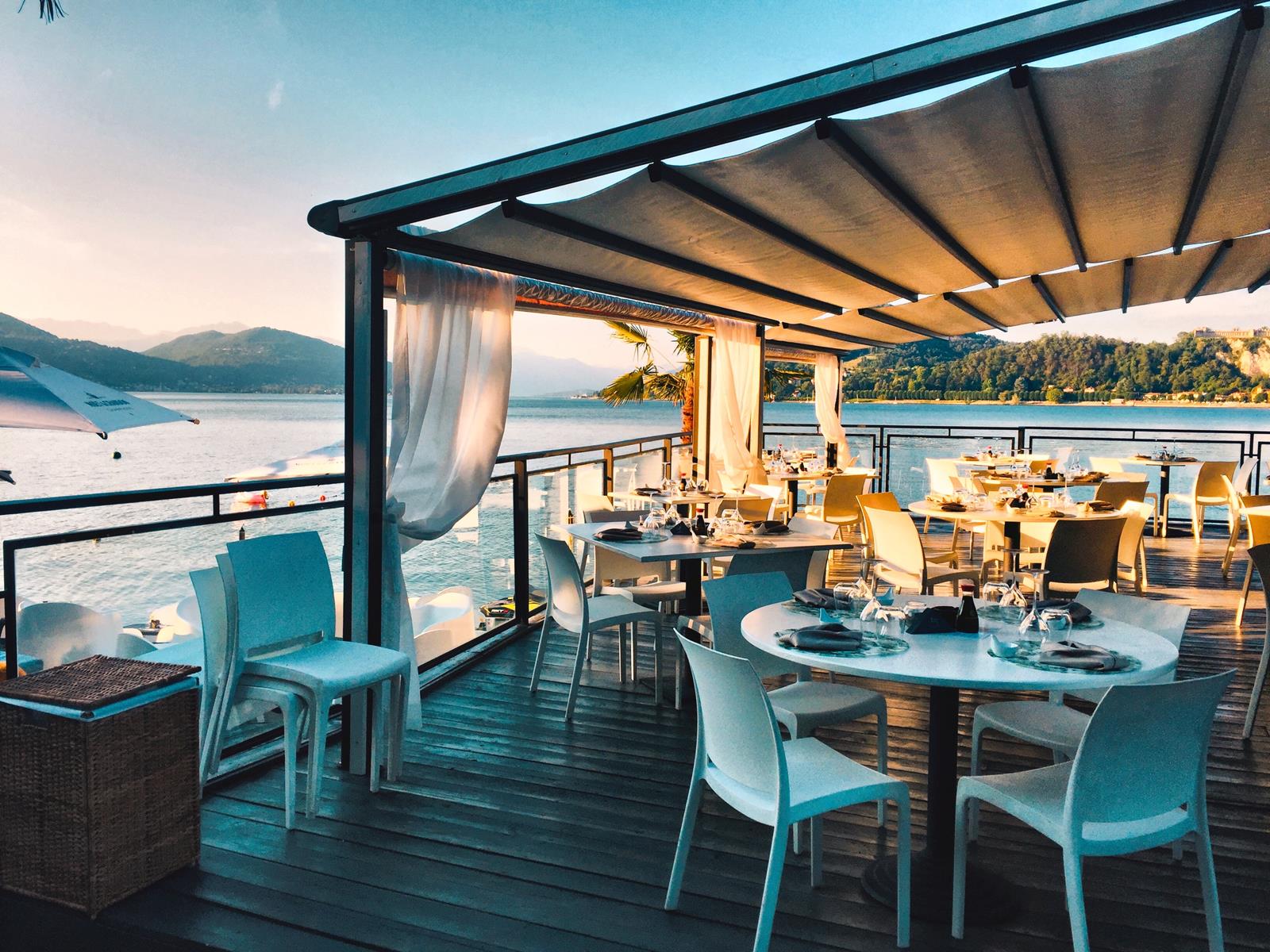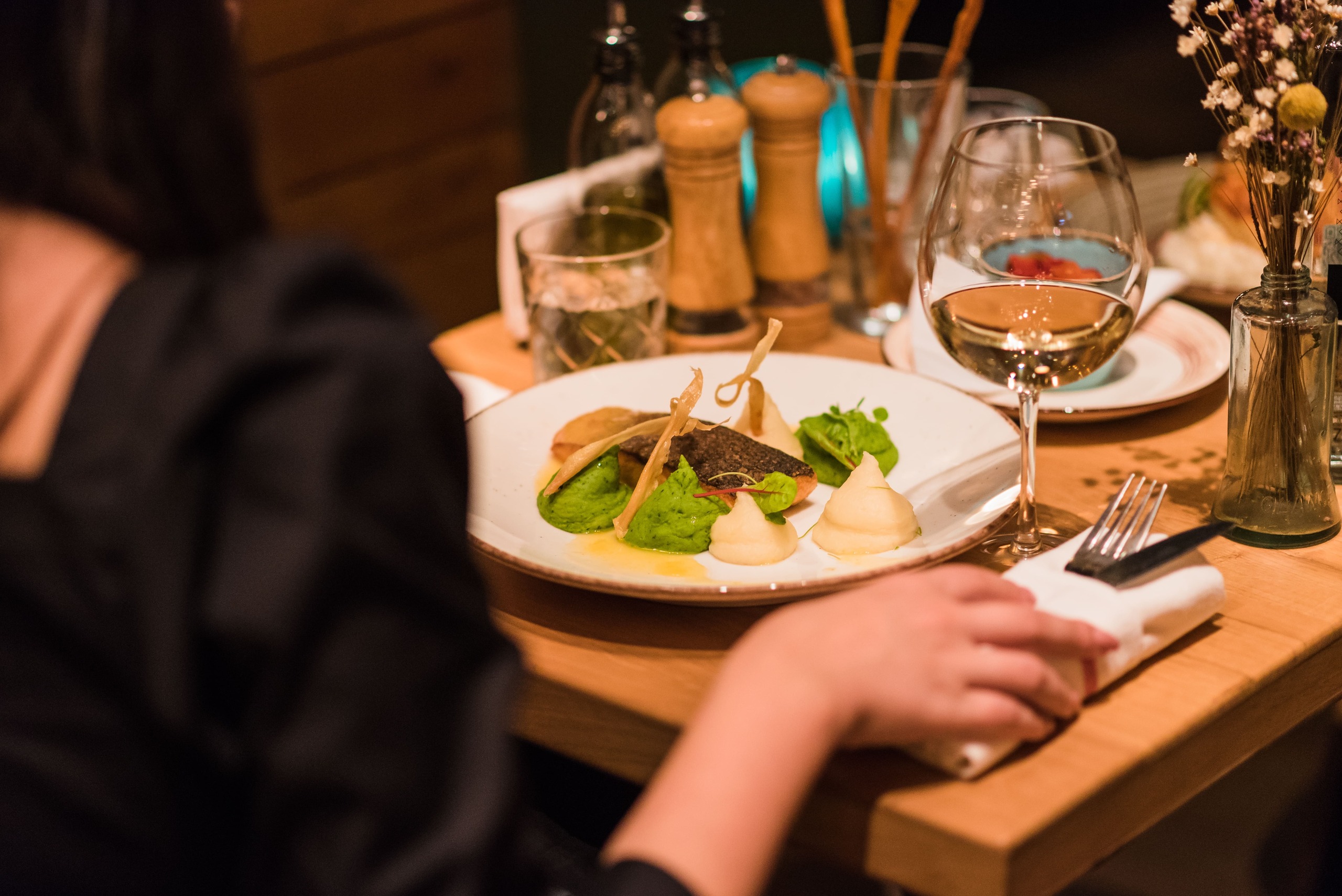
Fine Dining Redefined The Journey From Tradition To Innovation
Fine Dining Redefined: The Journey From Tradition To Innovation

Fine dining has become a vibrant and always changing experience that deftly combines classic elegance with contemporary innovation. Once tightly limited by conventional forms and inflexible expectations, today’s fine dining welcomes experimental food that boldly stretches creative bounds. Chefs such as Rasmus Munk at Alchemist epitomize this transforming change by creating meals that not only satisfy the taste but also interact the senses in a layered experience. This evolution celebrates art, culture, and gastronomy in which every meal becomes a story exposing the ingredients and the artistic creative process. Visitors are advised to go on a culinary journey wherein the interaction of flavors, textures, and visual presentations generates remarkable moments beyond mere eating. Fine dining always reinvents itself and displays its timeless appeal in a society that honors originality in every meal, so a new generation of foodies find tremendous interest in it.

Traditional Elegance: The Foundations of Fine Dining

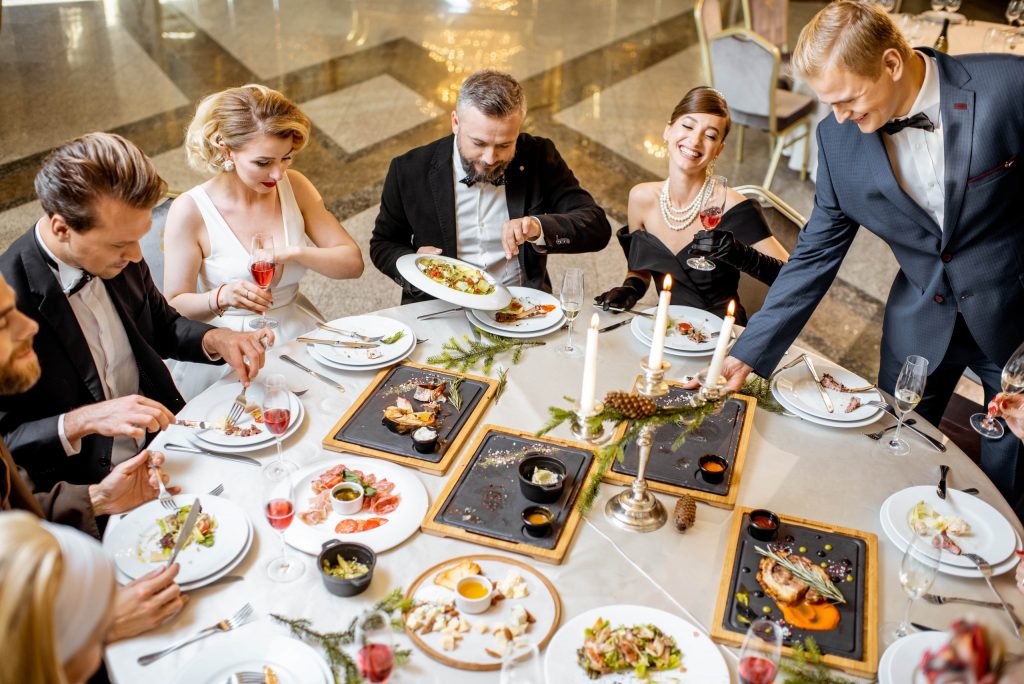
Beginning formal dining, the flashy Middle Ages feasts when aristocracy and nobility showcased their wealth over elaborate, multi-course banquets set the tone. These feasts were about the experience as much as the cuisine; picture vast sets with exquisitely arranged meats, seafood, and roasted animals. This developed over time into the official eating customs we know today, especially in France in the 18th century when the first contemporary restaurants started to open. These restaurants developed a menu idea that customers could choose their meals, therefore enabling a more individualized eating experience.

Fundamentally, great eating is distinguished by a few distinguishing qualities. Perfect every aspect is ensured by wait personnel educated to provide attentive and competent service, thus meticulous service is really important. Chefs concentrate on finding the greatest available fruit, meats, and seafood, so high-quality ingredients are very essential. They generally stress local and seasonal possibilities. Perfect cooking techniques and graceful presentation along with other classic cooking methods help to transform the dinner into an artistic creation. Beyond basic eating, this mix of first-rate service, excellent products, and gastronomic knowledge honors food and creativity to provide a rather unique dining experience.
Traditional Elegance The Foundations of Fine Dining

The Rise of Experimental Cuisine

The dining landscape has changed dramatically lately as chefs use avant-garde and unconventional cooking techniques. Molecular gastronomy is among the most interesting trends as it combines science and cooking to create unexpected and delicious meals. Imagine spherification—where liquids are surrounded by surprisingly taste and texture-provoking thin membranes or foams. These creative approaches not only improve the flavor but also transform the eating experience into a visual feast, therefore rendering every meal a piece of art.

Fusion cuisine is another trend altering things as it combines flavors and techniques from several culinary traditions, thereby producing something rather unique. Consider a ramen burger or a sushi taco; these meals highlight the number of ingredients that may mix to produce strong, fascinating tastes. This concept revolves mostly on unconventional presentations as chefs try different plating techniques employing unusual containers or surprising configurations to improve the whole experience. Dining is now more than simply a meal; it’s an experience for the senses that invites guests to investigate and interact creatively with their food.

Personalization Meets Fine Dining

Modern fine dining is all about personalizing every dining experience to fit certain tastes. Many upscale restaurants now provide tailored menus that fit different dietary requirements including vegan, gluten-free, and allergen-sensitive choices. Chefs see these decisions as exciting chances to innovate and produce great, sophisticated meals that appeal to many palates, not as limitations. This focus on inclusiveness ensures that everyone sitting at the table will have a wonderful supper, therefore promoting enjoyment and sense of belonging. Apart from the excellent dining choices, restaurants are gradually employing interactive eating experiences incorporating guests directly. From chef’s table events allowing visitors to see gastronomic wonders come to life to useful cooking courses inspiring them to assist with dinner preparation. Establishing these immersive settings encourages fine dining to become a shared trip where diners may engage with the food, the chefs, and each other, thereby transcending simple dining. This shift toward a more participative and individualized dining experience reveals a greater grasp of what today’s customers really need: connection, creativity, and lifetime events.

Sustainability on the Plate

In the realm of fine dining, sustainability has become very important as both consumers and chefs adopt environmentally responsible methods. Local, organic foods are increasingly more and more important in many restaurants because they not only help surrounding farmers but also guarantee better and more delicious cuisine. Chefs may design meals honoring the changing seasons by selecting foods from nearby farms, therefore presenting dishes that showcase the finest of what is available. This farm-to– table strategy shows a dedication to quality and openness, therefore enabling consumers to feel good about the source of their food.

Fine dining restaurants too are becoming innovative with trash reduction. Chefs are discovering creative methods to reduce their environmental effect from utilizing every component of an item to compost food wastes. Many eateries are also implementing green projects like local conservation efforts or biodegradable packaging. This change fits very well with changing consumer attitudes as modern consumers are more aware of the moral consequences of their dietary decisions. They want to have a great dinner knowing they are helping the earth. Thus, when you eat out, you are not only pampering yourself but also joining an increasing movement toward a more sustainable future!

The Role of Technology in Modern Dining

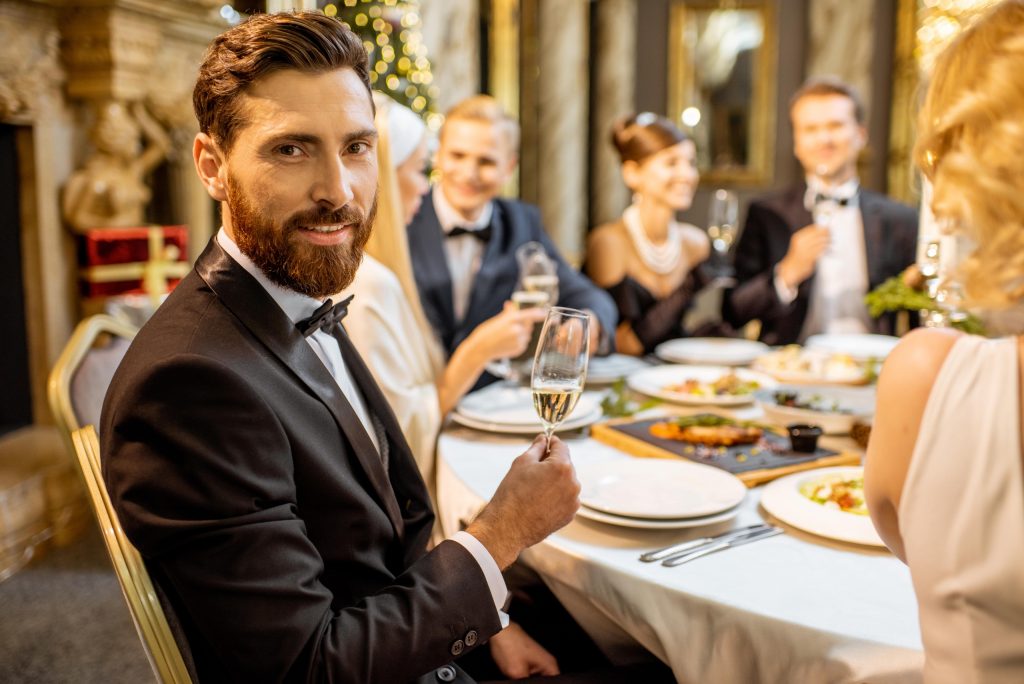
Technology has opened a world of unusual culinary techniques and interactive activities, therefore transforming the fine dining experience. Chefs are using sous-vide—that is, a method wherein food is vacuum-sealed and cooked at designated temperatures—for best tastes and texture. Along with molecular gastronomy, this method allows cooks to investigate flavors in ways unimaginable a few years ago. This combination of science and cuisine not only enhances food but also encourages innovation in the kitchen, creating fantastic dishes that surprise and satisfy visitors.

Technology also gives restaurants interactive forms of life. Imagine going down for dinner and being met with a menu shown on a tablet that highlights not just the cuisine but also breathtaking images and tales of the ingredients and chef’s inspiration. Some restaurants might use augmented reality to take customers to other places, which would add interesting pictures and stories to their food and make it better. With this high-tech method, eating becomes an interesting journey where each meal is a different experience from normal food. Gourmet food is always pushing the limits and encouraging people to try new tastes and hear stories that aren’t found in other technologically controlled foods.
The Role of Technology in Modern Dining

Conclusion

Fine dining has evolved into a rich sensory and cultural experience by means of a harmonic mix of history and innovation, thereby altering the eating act. Rooted in historical cooking methods, fine dining has embraced current technology and techniques such molecular gastronomy and interactive eating to enthrall and surprise customers while also including sustainability and ethical principles. Because they can change with the times, fine eating can offer not only delicious food but also interesting settings that please all the senses. No matter what changes have happened, good eating is still an art form at its core. To make sure that every meal is unique and memorable, it supports the cooking methods and the close relationships that form over shared meals.
Fine Dining Restaurant Dressing Codes

Fine dining restaurants are known for offering more than just high-quality food. They provide a complete dining experience that includes elegant interiors, attentive service, carefully crafted menus, and a refined atmosphere. To maintain this environment, many upscale restaurants implement dress codes that encourage guests to present themselves in a polished and sophisticated manner.

Dress codes help create a consistent atmosphere where diners can fully enjoy the luxury and elegance associated with fine dining. While these guidelines may vary from one restaurant to another, they generally promote stylish, neat, and appropriate attire rather than overly casual clothing.

For guests visiting an upscale restaurant for the first time, understanding what to wear can help avoid confusion and ensure a comfortable experience. Knowing the expectations of fine dining attire allows diners to feel confident while respecting the standards of the establishment.

Why Fine Dining Restaurants Have Dress Codes

Fine dining restaurants place great emphasis on atmosphere and presentation. Every detail within these establishments, from table settings to background music, is designed to create a memorable and elegant experience.

Dress codes help maintain this atmosphere by encouraging guests to dress in a way that complements the refined setting. When diners follow appropriate attire guidelines, the overall environment feels more cohesive and sophisticated.

Restaurants that maintain high standards of service and décor often want guests to participate in the same level of formality. This helps distinguish fine dining establishments from casual restaurants.

Understanding fine dining etiquette and dress standards helps diners appreciate why these guidelines exist and how they contribute to the overall dining experience.

Common Types of Fine Dining Dress Codes

Fine dining establishments may use several different dress code categories depending on the formality of the restaurant. One of the most common standards is “smart casual,” which encourages stylish but comfortable clothing.

Smart casual attire typically includes collared shirts, elegant blouses, dress pants, skirts, or stylish dresses. The goal is to look polished while maintaining a relaxed level of comfort.

Another common dress code is “business casual.” This style is slightly more formal and may include blazers, tailored shirts, and sophisticated footwear.

In more luxurious establishments, restaurants may require formal or semi-formal attire, especially during evening service or special events.

Appropriate Attire for Men

Men visiting fine dining restaurants should aim for a clean, well-fitted, and refined appearance. A collared shirt paired with dress pants is a common and widely accepted outfit.

In more formal settings, adding a blazer or sports jacket can elevate the overall look. Dark jeans may sometimes be acceptable in smart casual environments, but distressed or overly casual denim is generally discouraged.

Footwear is another important detail. Leather dress shoes or polished loafers are often recommended because they complement formal or semi-formal attire.

Avoiding overly casual clothing such as shorts, athletic wear, or graphic T-shirts helps ensure that the outfit matches the elegant setting of the restaurant.

Appropriate Attire for Women

Women have many stylish options when preparing for a fine dining experience. Elegant dresses, blouses paired with skirts, or tailored pants are common choices that align with upscale restaurant standards.

Accessories such as subtle jewelry, scarves, or handbags can add sophistication to the overall outfit without appearing excessive.

Footwear is also important in fine dining environments. Heels, dressy flats, or elegant closed-toe shoes are generally more appropriate than casual sandals or athletic shoes.

The goal is to maintain a balanced appearance that feels both fashionable and respectful of the restaurant’s refined atmosphere.

What to Avoid When Dining in Upscale Restaurants

While dress codes may vary slightly depending on the restaurant, there are several types of clothing that are generally discouraged in fine dining settings.

Casual clothing such as flip-flops, sportswear, tank tops, beachwear, or ripped jeans often conflicts with the formal environment of upscale restaurants. Baseball caps and overly casual hoodies are also typically avoided.

Restaurants aim to create an environment where guests can enjoy a sophisticated dining experience. Clothing that appears overly relaxed may disrupt that atmosphere.

Following a luxury dining experience guide can help diners choose appropriate attire and avoid any discomfort or confusion upon arrival.

Conclusion

Fine dining restaurants are designed to offer memorable experiences that combine exceptional cuisine, attentive service, and an elegant atmosphere. Dress codes play an important role in maintaining this refined environment by encouraging guests to dress in a way that complements the sophistication of the establishment. When diners follow these guidelines, they contribute to the overall ambiance and help preserve the unique character of upscale dining venues.

Understanding what to wear when visiting a fine dining restaurant allows guests to feel confident and comfortable while enjoying their meal. Choosing polished and stylish clothing not only respects the restaurant’s standards but also enhances the sense of occasion that many people seek when dining in luxury settings. Whether celebrating a special event, enjoying a romantic dinner, or attending a formal gathering, appropriate attire adds to the enjoyment of the experience. By following dress code expectations, diners can fully appreciate the elegance and attention to detail that make fine dining truly special.

Why Casual Restaurants Have Higher Prices

Many diners assume that casual restaurants should always offer affordable meals compared to upscale or fine dining establishments. However, it is not uncommon for customers to notice that prices in casual restaurants can sometimes be surprisingly high. This can raise questions about why these establishments charge more even though their atmosphere is less formal than luxury restaurants.

In reality, restaurant pricing is influenced by a variety of factors beyond the style of dining service. Casual restaurants still face operational expenses such as food sourcing, staff wages, rent, and utilities. In addition, customer expectations for quality ingredients and unique menu items have increased over time.

Understanding the reasons behind restaurant pricing helps diners gain a better perspective on the costs involved in running a food business. By exploring the different factors that influence menu prices, it becomes easier to understand why casual restaurants may charge more than expected.

Rising Costs of Quality Ingredients

One of the primary reasons for higher prices in casual restaurants is the increasing cost of quality ingredients. Many modern restaurants focus on serving fresh, locally sourced, or organic ingredients to meet customer expectations.

Fresh produce, premium meats, and specialty ingredients often cost more than standard food supplies. Restaurants that prioritize quality ingredients must factor these costs into their menu pricing to maintain profitability.

In addition, seasonal availability can affect the price of certain ingredients. When certain items become scarce or difficult to source, restaurants may need to pay higher prices to maintain consistent menu offerings.

These casual restaurant pricing factors contribute significantly to the final cost that customers see on restaurant menus.

Labor and Staffing Expenses

Running a restaurant requires a dedicated team of employees who handle various tasks throughout the day. Chefs, cooks, servers, managers, and cleaning staff all contribute to the smooth operation of the establishment.

Labor costs have increased in many regions due to higher minimum wages and improved labor regulations. Restaurants must ensure that employees receive fair wages, benefits, and training.

Staffing costs also include scheduling, management, and maintaining adequate coverage during busy hours. Even casual restaurants must maintain skilled kitchen staff capable of preparing meals efficiently and consistently.

Because labor is a major part of restaurant operations, these expenses often influence menu pricing.

Operational and Overhead Costs

Restaurants must manage a wide range of operational expenses in addition to food and labor costs. Rent for commercial spaces can be particularly expensive, especially in busy urban areas or popular dining districts.

Utilities such as electricity, water, and gas are also necessary for running kitchen equipment and maintaining comfortable dining environments. Restaurants rely heavily on refrigeration systems, ovens, and ventilation equipment that consume significant energy.

Other overhead costs include maintenance, insurance, licenses, and marketing efforts. These expenses are essential for maintaining a professional and welcoming dining establishment.

All of these operational costs must be balanced within the pricing structure of the restaurant’s menu.

Customer Expectations and Dining Experience

Customer expectations have evolved significantly in recent years. Many diners now expect high-quality food, attractive presentation, and a pleasant dining atmosphere even in casual restaurants.

Restaurants often invest in interior design, comfortable seating, and appealing décor to enhance the dining experience. These elements contribute to a welcoming environment but also increase operational costs.

Menu development also requires creativity and expertise. Chefs often spend time designing unique dishes and experimenting with flavors that set the restaurant apart from competitors.

These efforts contribute to modern dining industry insights that highlight how customer expectations influence pricing in today’s restaurant landscape.

Competition and Market Positioning

Restaurant pricing can also be influenced by competition within the local dining market. Establishments often analyze the prices of nearby restaurants to determine how their menus should be positioned.

Some casual restaurants choose to offer premium dining experiences even within a relaxed atmosphere. This strategy allows them to differentiate themselves from fast-food establishments or lower-cost eateries.

Restaurants may also invest in branding, online marketing, and social media promotions to attract customers. These marketing efforts help increase visibility but also add to operational costs.

Market positioning and brand identity often influence how restaurants structure their menu prices.

Conclusion

Casual restaurants may appear more relaxed than fine dining establishments, but they still face many of the same operational challenges that influence pricing. Factors such as ingredient quality, labor costs, rent, utilities, and marketing all contribute to the overall cost of running a restaurant. As customer expectations continue to evolve, many casual dining establishments invest more resources into creating enjoyable dining experiences while maintaining high food standards.

Understanding these factors helps diners appreciate the complexity of restaurant operations and the reasons behind menu pricing. While casual restaurants aim to provide comfortable and accessible dining environments, maintaining quality and consistency often requires careful financial management. By balancing operational costs with customer satisfaction, restaurants strive to deliver meals that reflect both value and quality. Ultimately, the price of a meal often reflects the effort, expertise, and resources required to provide a memorable dining experience for every guest who walks through the door.

Fine Dining Restaurant Dressing Codes

Fine dining restaurants offer more than just high-quality food; they provide an entire experience that includes exceptional service, elegant ambiance, and carefully crafted menus. Because of this refined atmosphere, many upscale restaurants maintain dress codes to preserve a sense of sophistication and formality. These guidelines help ensure that the environment remains consistent with the luxurious dining experience the establishment aims to provide.

For guests, understanding fine dining dress codes can help them feel more comfortable and confident when visiting upscale restaurants. Proper attire not only shows respect for the restaurant’s standards but also contributes to the overall dining atmosphere shared by all guests.

Dress codes may vary between establishments, but they generally emphasize neat, polished, and stylish clothing rather than casual attire. By learning about these expectations, diners can better prepare for formal dining occasions and fully enjoy the elegant environment that fine dining restaurants strive to create.

Why Fine Dining Restaurants Have Dress Codes

Fine dining restaurants often maintain dress codes to create a consistent and refined atmosphere. These establishments typically focus on providing an upscale experience where every detail—from décor to service—is carefully curated.

Dress codes help maintain the elegant image that many fine dining restaurants are known for. When guests dress appropriately, it contributes to a cohesive environment where everyone participates in the same level of sophistication.

In addition, these guidelines help distinguish fine dining establishments from casual dining venues. Restaurants that invest in high-end interiors, premium ingredients, and attentive service often expect guests to follow certain standards of presentation.

Understanding fine dining restaurant etiquette attire helps diners respect these expectations while enhancing their overall dining experience.

Typical Dress Codes in Fine Dining Restaurants

Many fine dining restaurants use specific dress code categories to guide guests on what to wear. One of the most common standards is “business casual,” which encourages polished but comfortable clothing.

Business casual attire often includes collared shirts, dress pants, blouses, or elegant skirts. While it is less formal than traditional suits or evening gowns, it still maintains a professional and refined appearance.

Another common category is “smart casual.” This style allows a bit more flexibility while still avoiding overly relaxed clothing such as athletic wear, flip-flops, or distressed jeans.

Some luxury restaurants may also require formal attire, especially for special events or evening dining. In these cases, guests may wear suits, cocktail dresses, or other sophisticated outfits.

Appropriate Attire for Men

Men visiting fine dining restaurants typically aim for clothing that appears clean, well-fitted, and polished. Collared shirts are commonly recommended, whether paired with dress trousers or well-tailored slacks.

In many establishments, a blazer or sports jacket can elevate the overall appearance, although it may not always be required. Shoes also play an important role, as leather dress shoes or polished loafers are generally preferred over casual sneakers.

Avoiding overly casual clothing such as shorts, athletic wear, or graphic T-shirts helps maintain the sophisticated atmosphere expected in upscale dining environments.

When men dress appropriately for fine dining, they contribute to the restaurant’s elegant ambiance while also feeling more confident during their visit.

Appropriate Attire for Women

Women have a wide range of stylish options when dressing for fine dining occasions. Elegant dresses, tailored blouses, or fashionable skirts are common choices that fit well within upscale restaurant dress codes.

A stylish top paired with dress pants or a sophisticated skirt can also create a polished look suitable for many fine dining establishments. Accessories such as subtle jewelry or a classic handbag can add an extra touch of elegance.

Footwear is another important aspect of the outfit. Closed-toe shoes, stylish heels, or elegant flats are generally preferred over casual sandals or sports footwear.

The goal of fine dining attire is to appear refined and well-presented while remaining comfortable throughout the dining experience.

Common Clothing Items to Avoid

While dress codes may vary between restaurants, there are several clothing items that are generally discouraged in fine dining environments.

Casual items such as flip-flops, sportswear, tank tops, and ripped jeans are usually not appropriate for upscale dining settings. These items can disrupt the elegant atmosphere that restaurants aim to maintain.

Baseball caps, overly casual hoodies, and beachwear are also typically avoided in formal dining environments. Restaurants want guests to present themselves in a way that matches the sophisticated setting.

Being aware of these guidelines allows diners to avoid uncomfortable situations at the entrance and ensures that their attire aligns with the restaurant’s expectations.

Enhancing the Overall Dining Experience

Following dress codes is not only about meeting restaurant requirements—it also enhances the overall experience of dining in a refined setting. Dressing appropriately can help guests feel more immersed in the elegant environment.

When everyone in the restaurant follows similar standards of presentation, it creates a cohesive atmosphere that reflects the luxury and care invested in the establishment.

Many diners find that dressing well adds to the enjoyment of the occasion, especially during celebrations, romantic dinners, or special events.

These small details contribute to elegant dining experience tips that allow guests to fully appreciate the sophistication of fine dining restaurants.

Conclusion

Fine dining restaurants strive to create memorable experiences that combine exceptional cuisine, refined service, and elegant surroundings. Dress codes play an important role in maintaining this atmosphere by encouraging guests to present themselves in a polished and respectful manner. By following these guidelines, diners help preserve the sophisticated environment that defines upscale dining establishments.

Understanding what to wear to a fine dining restaurant can make the experience more enjoyable and comfortable. Whether choosing a stylish dress, a tailored outfit, or a classic blazer and dress shoes, thoughtful attire contributes to the sense of occasion that fine dining offers. These establishments often represent special moments such as celebrations, romantic evenings, or important gatherings, and dressing appropriately adds to the significance of the event. By respecting restaurant dress codes and embracing refined style, guests can fully participate in the elegant dining atmosphere while creating lasting memories of a truly exceptional culinary experience.