The Right Age For Daycare And How To Prepare Kids For Their First Day Of School
Starting daycare or attending school for the first time is a major milestone in a child’s life. For many children, this experience marks their first time spending several hours away from their parents or primary caregivers. While this transition can be exciting, it can also bring challenges such as separation anxiety and adjustment difficulties. Parents often wonder what the right age is to introduce children to daycare and how they can help their child feel comfortable during this important transition.
Every child develops at their own pace, and the appropriate time for daycare may vary depending on family needs and the child’s emotional readiness. With proper preparation and supportive guidance, children can gradually become confident in new learning environments.
Understanding the best ways to prepare children for daycare and school helps parents create positive early experiences that encourage independence, social interaction, and long-term academic success.
Understanding the Appropriate Age for Daycare
Parents often ask when children should begin attending daycare. While there is no universal answer, many children start daycare between the ages of one and three years old. This stage is often suitable because children begin developing social awareness and communication skills.
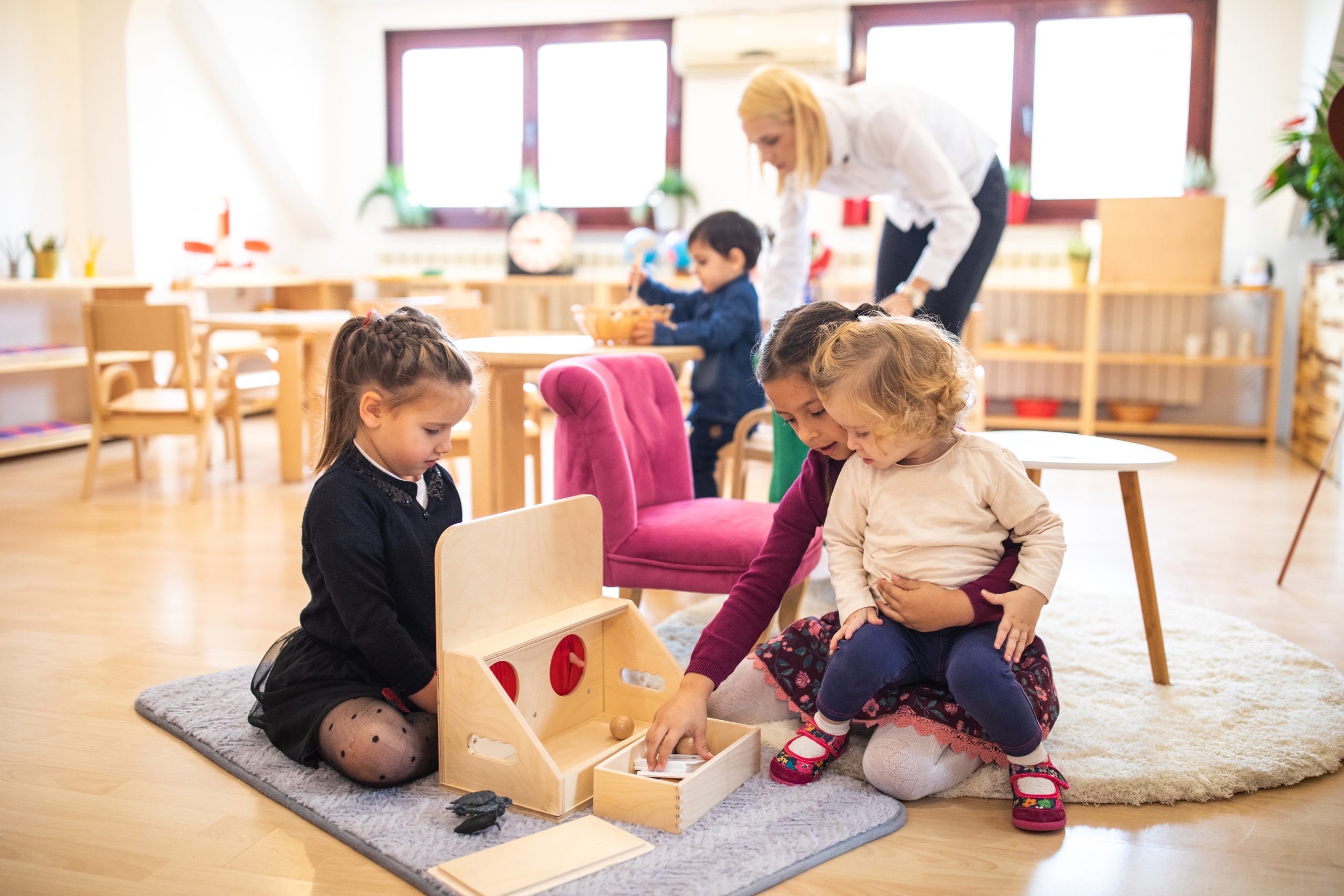
At this age, children benefit from interacting with peers and learning basic routines outside the home. Daycare environments can introduce them to structured activities such as playtime, storytelling, and simple educational exercises.
However, emotional readiness is just as important as age. Some children adapt quickly to new environments, while others may need more time to feel comfortable away from their parents.
Parents considering preparing children for daycare and school should observe their child’s personality, communication abilities, and comfort with social interactions before making decisions.
Recognizing Signs of Separation Anxiety
Separation anxiety is a common reaction when young children begin daycare or school. It occurs when children feel nervous or upset about being separated from their parents or caregivers.
Typical signs may include crying, clinging to parents, or expressing fear when it is time to leave home. These reactions are normal and usually temporary as children gradually adjust to new routines.
Children may feel anxious because unfamiliar environments and new caregivers can seem overwhelming at first. Consistency and reassurance from parents help children understand that daycare or school is a safe place.
Recognizing these signs allows parents to respond with patience and understanding while supporting their child’s emotional needs.
Preparing Children Before Their First Day
Preparation can greatly reduce anxiety when children start daycare or school. One helpful strategy is introducing the child to the new environment before their official start date.
Visiting the daycare center or school, meeting teachers, and exploring classrooms help children become familiar with the setting. This experience reduces uncertainty and builds confidence.
Parents can also talk with their children about what to expect during the day. Explaining activities such as playing with toys, meeting new friends, and listening to stories can make the experience feel exciting rather than intimidating.
Reading books about starting school or daycare can also help children understand that many other kids go through similar experiences.
Establishing Comforting Routines
Consistent routines provide a sense of stability for young children. Establishing regular schedules for waking up, getting dressed, and traveling to daycare helps create predictability.
Parents may also create simple goodbye rituals that reassure children before separation. For example, a hug, a wave, or a short phrase like “See you later” can help children feel secure.
It is important for parents to remain calm and confident during drop-off times. Children often respond to their parents’ emotions, so maintaining a positive attitude can help reduce anxiety.
With consistent routines, children gradually become more comfortable with their new environment.
Encouraging Social and Emotional Development
Daycare and early school experiences offer valuable opportunities for children to develop social and emotional skills. Interacting with other children helps them learn how to share, cooperate, and communicate effectively.
Teachers and caregivers often guide children through group activities that promote teamwork and problem-solving. These experiences help children build confidence and independence.
Participating in early learning environments also supports early childhood learning development, which plays an important role in preparing children for future academic success.
By encouraging social interaction and emotional growth, daycare programs help children develop skills that benefit them throughout their educational journey.
Conclusion
Introducing children to daycare or their first school environment can be both an exciting and emotional experience for families. While the appropriate age for daycare may vary depending on individual circumstances, careful preparation can help children transition more comfortably into new learning environments. By recognizing signs of separation anxiety and taking steps to prepare children gradually, parents can make the experience less stressful and more positive.
Visiting the school beforehand, establishing comforting routines, and maintaining supportive communication all contribute to building a child’s confidence. As children adapt to new surroundings, they begin to develop important social, emotional, and communication skills that support their growth. Early learning environments provide opportunities for children to interact with peers, explore new activities, and gain independence outside the home. With patience, encouragement, and thoughtful preparation, parents can help their children approach daycare and school with curiosity and confidence, setting the foundation for successful educational experiences in the years ahead.