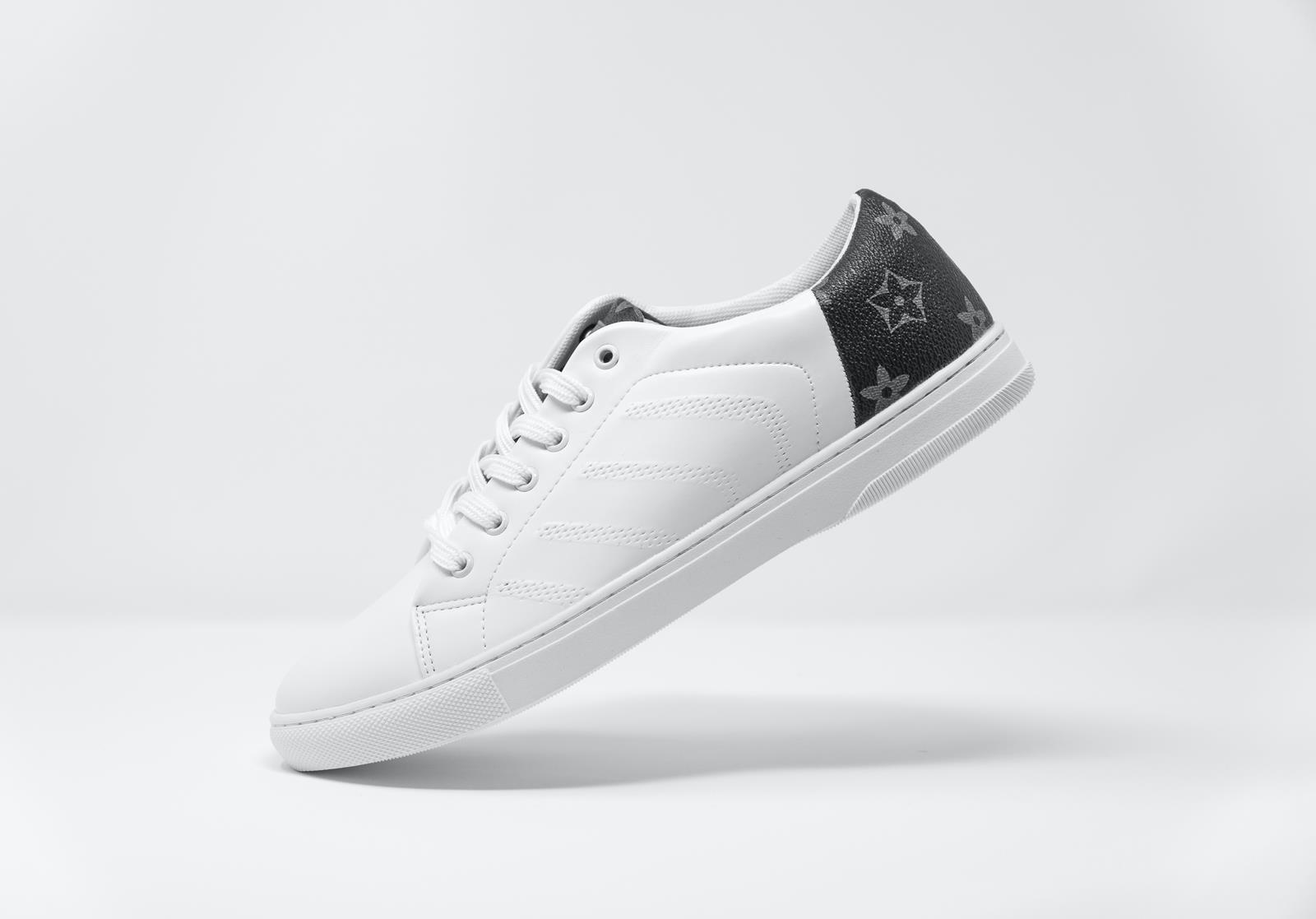
Popularity And Innovation At Its Best
Fashion has always been closely connected to creativity, cultural expression, and technological progress. Over the years, the clothing industry has evolved from simple functional garments to highly innovative designs that reflect lifestyle, identity, and artistic vision. Today, fashion innovation drives the popularity of clothing brands and influences how people around the world choose to express themselves through style.
Modern fashion is shaped by many factors, including cultural influences, new materials, digital technology, and changing consumer preferences. Designers continuously experiment with fabrics, colors, and silhouettes to create collections that capture attention and set new trends. At the same time, global communication and social media have made it easier for fashion ideas to spread quickly across different regions.
Understanding how innovation and popularity influence clothing trends helps explain why the fashion industry remains dynamic and constantly evolving.
The Role of Creativity in Fashion
Creativity is one of the most important elements that drive the success of clothing designs. Fashion designers often draw inspiration from art, culture, history, and everyday life to develop new ideas.
Creative experimentation allows designers to combine unique patterns, fabrics, and shapes that capture attention in the competitive fashion market. These designs often set trends that influence what people wear in different parts of the world.
Innovation in fashion is not limited to appearance alone. Designers also experiment with sustainable fabrics, functional materials, and advanced production techniques.
These developments contribute to modern fashion design trends, allowing the clothing industry to evolve while meeting changing consumer expectations.
Influence of Global Fashion Trends
Globalization has significantly influenced the popularity of clothing styles. Fashion trends that once remained within specific regions can now spread worldwide almost instantly.
Fashion weeks in cities such as Paris, Milan, London, and New York often introduce new designs that inspire clothing brands and designers across the globe. Social media platforms also play a major role in spreading these trends quickly.
Consumers today are exposed to a wide range of styles from different cultures. This exposure encourages diversity in fashion and inspires designers to blend traditional elements with modern aesthetics.
The global exchange of ideas continues to shape the direction of modern clothing design.
Technology Transforming the Clothing Industry
Technological innovation has transformed how clothing is designed, produced, and marketed. Advanced manufacturing techniques allow designers to experiment with materials and production processes that were previously impossible.
For example, digital design software helps designers visualize clothing collections before they are produced. This technology allows for greater precision and creativity during the design process.
Technology also plays an important role in sustainable fashion. Many companies are exploring eco-friendly fabrics, recycling methods, and ethical production practices.
These innovations are helping the fashion industry become more efficient while reducing environmental impact.
Consumer Preferences and Fashion Popularity
Fashion popularity is often shaped by changing consumer preferences. People today are more aware of style, comfort, and sustainability when choosing clothing.
Modern consumers often look for clothing that reflects their personalities and values. This includes interest in ethical fashion, environmentally friendly materials, and inclusive designs.
Fashion brands respond to these preferences by developing collections that align with customer expectations. Companies also use digital marketing and influencer partnerships to promote their designs.
Understanding consumer behavior helps designers and brands create clothing that resonates with audiences around the world.
The Future of Clothing Innovation
The future of fashion is expected to include even more technological and creative innovation. Smart fabrics, wearable technology, and advanced textile engineering are already beginning to influence clothing design.
Designers are also exploring ways to combine style with functionality. For example, clothing may include temperature-regulating materials, digital connectivity, or improved durability.
Sustainability will likely remain a major focus in the fashion industry. Many companies are investing in environmentally responsible production methods and recyclable fabrics.
These developments highlight the continued importance of global style and clothing innovation, ensuring that fashion remains both creative and forward-thinking.
Conclusion
The clothing industry continues to evolve through a combination of creativity, cultural influence, and technological advancement. Innovation allows designers to develop unique garments that capture attention and shape global fashion trends. As communication technology and social media connect people worldwide, clothing styles spread more quickly than ever before, influencing how individuals express themselves through fashion.
At the same time, changing consumer expectations are encouraging fashion brands to focus on sustainability, comfort, and individuality. Designers are responding by experimenting with new materials, production techniques, and design concepts that reflect modern lifestyles. These efforts ensure that fashion remains dynamic while adapting to the needs of contemporary society. By understanding the relationship between popularity and innovation in clothing, it becomes clear why fashion continues to be one of the most creative and influential industries in the world. As new technologies and ideas emerge, the future of clothing design will likely bring even more exciting developments that shape how people dress and express their identities.