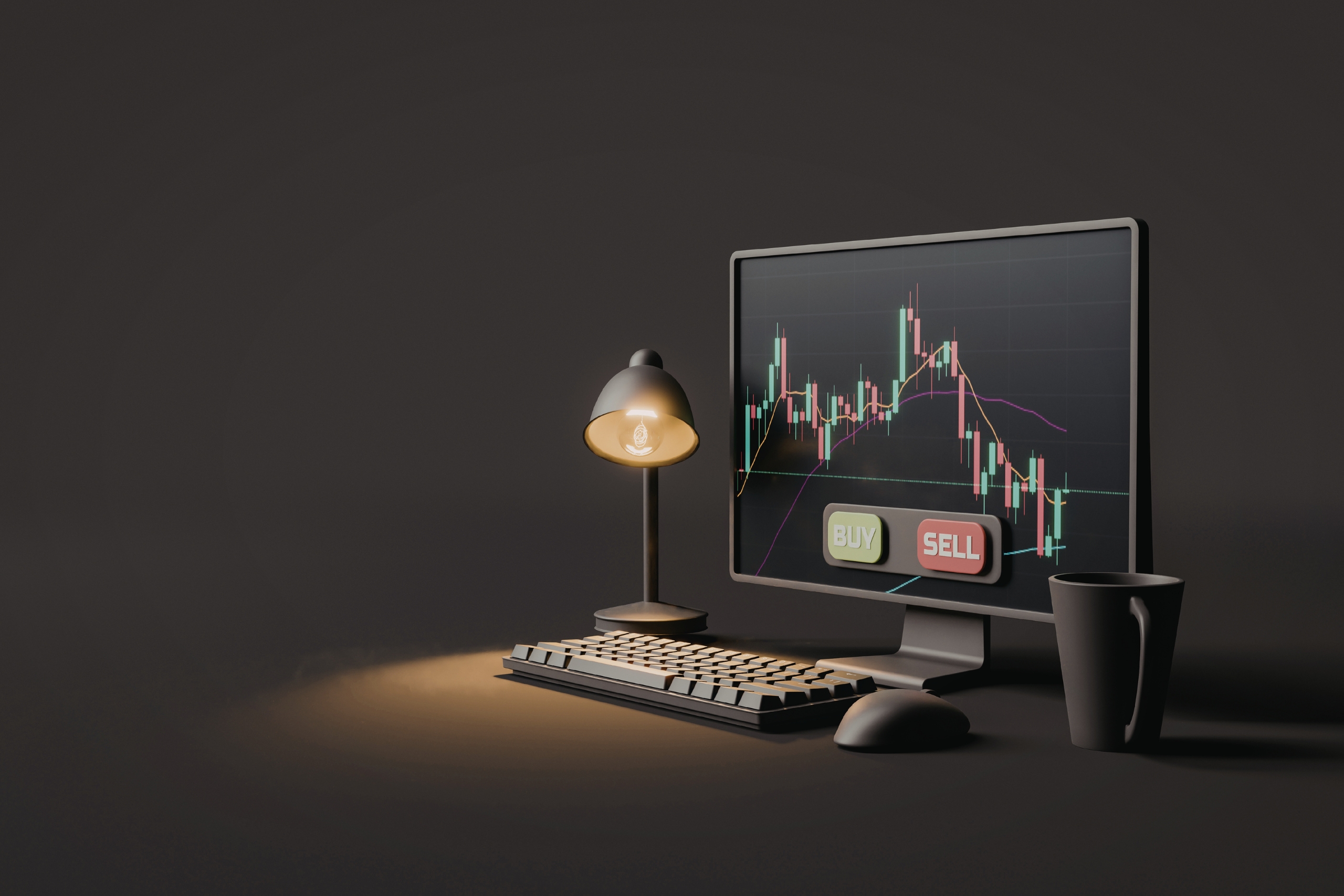
What Exactly Is Trading Platform?
Trading platforms have become an essential part of modern financial markets. These digital systems allow individuals and institutions to buy and sell financial assets such as stocks, currencies, commodities, and cryptocurrencies through online networks. With the rise of internet technology and mobile applications, trading platforms have made investing more accessible to people around the world.
In the past, investors often relied on brokers or financial institutions to execute trades on their behalf. Today, online trading platforms allow users to manage their investments directly through computer or smartphone applications. These platforms provide real-time market information, trading tools, and portfolio management features that help investors make informed decisions.
Understanding what a trading platform is and how it works can help beginners navigate the world of digital investing more confidently. By learning about the features and functions of trading platforms, individuals can better prepare themselves to participate in financial markets.
Understanding the Basics of Trading Platforms
A trading platform is a digital software system that allows investors to access financial markets and execute trades electronically. These platforms connect users to stock exchanges, foreign exchange markets, and other financial trading environments.
Through these systems, investors can place buy or sell orders, monitor market prices, and track their investment portfolios in real time. Trading platforms often provide charts, financial indicators, and analysis tools that help traders evaluate market conditions.
Most platforms are designed with user-friendly interfaces that allow both beginners and experienced traders to navigate trading features easily. Investors can also set alerts for price changes or automate certain trading strategies.
Many online financial trading software platforms also offer educational resources that help new users understand market fundamentals and trading techniques.
Key Features of a Trading Platform
Trading platforms typically include several important features that support investment decisions and market analysis. One of the most essential tools is real-time market data, which allows traders to monitor price movements and market trends.
Charting tools are another important component. These tools display historical price data and technical indicators that traders use to analyze potential investment opportunities.
Order management systems allow users to place different types of trades, including market orders, limit orders, and stop-loss orders. These options help traders control how and when their transactions are executed.
Many platforms also include portfolio tracking tools that help users monitor the performance of their investments over time.
Types of Trading Platforms
There are several types of trading platforms designed to meet the needs of different types of investors. Some platforms are created specifically for stock trading, while others focus on foreign exchange or cryptocurrency markets.
Desktop trading platforms provide powerful tools and advanced analysis features that are often preferred by professional traders. Mobile trading apps, on the other hand, allow users to trade from their smartphones and monitor markets on the go.
Web-based trading platforms operate directly through internet browsers without requiring software downloads. These platforms offer convenience and accessibility for users who prefer flexible trading options.
Each type of platform provides different features depending on the trading experience and goals of the investor.
Benefits of Using Online Trading Platforms
Online trading platforms offer several advantages for modern investors. One of the most significant benefits is accessibility. Investors can participate in financial markets without needing to visit a brokerage office.
These platforms also provide greater control over investment decisions. Traders can analyze market data, execute trades instantly, and adjust strategies based on real-time information.
Another benefit is the availability of educational resources and practice accounts. Many platforms offer simulated trading environments where beginners can practice without risking real money.
These features support modern technology driven investing, helping individuals gain experience while improving their understanding of financial markets.
Risks and Considerations for New Traders
While trading platforms offer many advantages, they also come with certain risks. Financial markets can be unpredictable, and investors may experience losses if they make poor trading decisions.
New traders should take time to learn about market trends, risk management, and trading strategies before investing significant amounts of money. Using demo accounts or educational resources can help beginners build confidence.
It is also important to choose reputable trading platforms that offer secure systems and reliable customer support. Regulatory oversight and security measures help protect investors from potential fraud or technical problems.
By approaching trading responsibly, investors can reduce risks while exploring the opportunities offered by digital markets.
Conclusion
Trading platforms have revolutionized the way people participate in financial markets. By providing digital access to stocks, currencies, and other financial assets, these platforms allow investors to manage their portfolios conveniently from computers or mobile devices. Real-time market data, advanced analytical tools, and user-friendly interfaces make trading platforms powerful resources for both beginner and experienced traders.
However, successful trading requires knowledge, discipline, and careful decision-making. While trading platforms make investing more accessible, individuals must still understand market dynamics and manage financial risks responsibly. Learning how trading platforms operate helps investors develop confidence and make more informed investment choices. As technology continues to evolve, trading platforms will likely become even more sophisticated, offering new tools and opportunities for digital investing. By gaining a clear understanding of these systems, individuals can take advantage of the possibilities offered by modern financial technology while building smarter and more responsible investment habits.