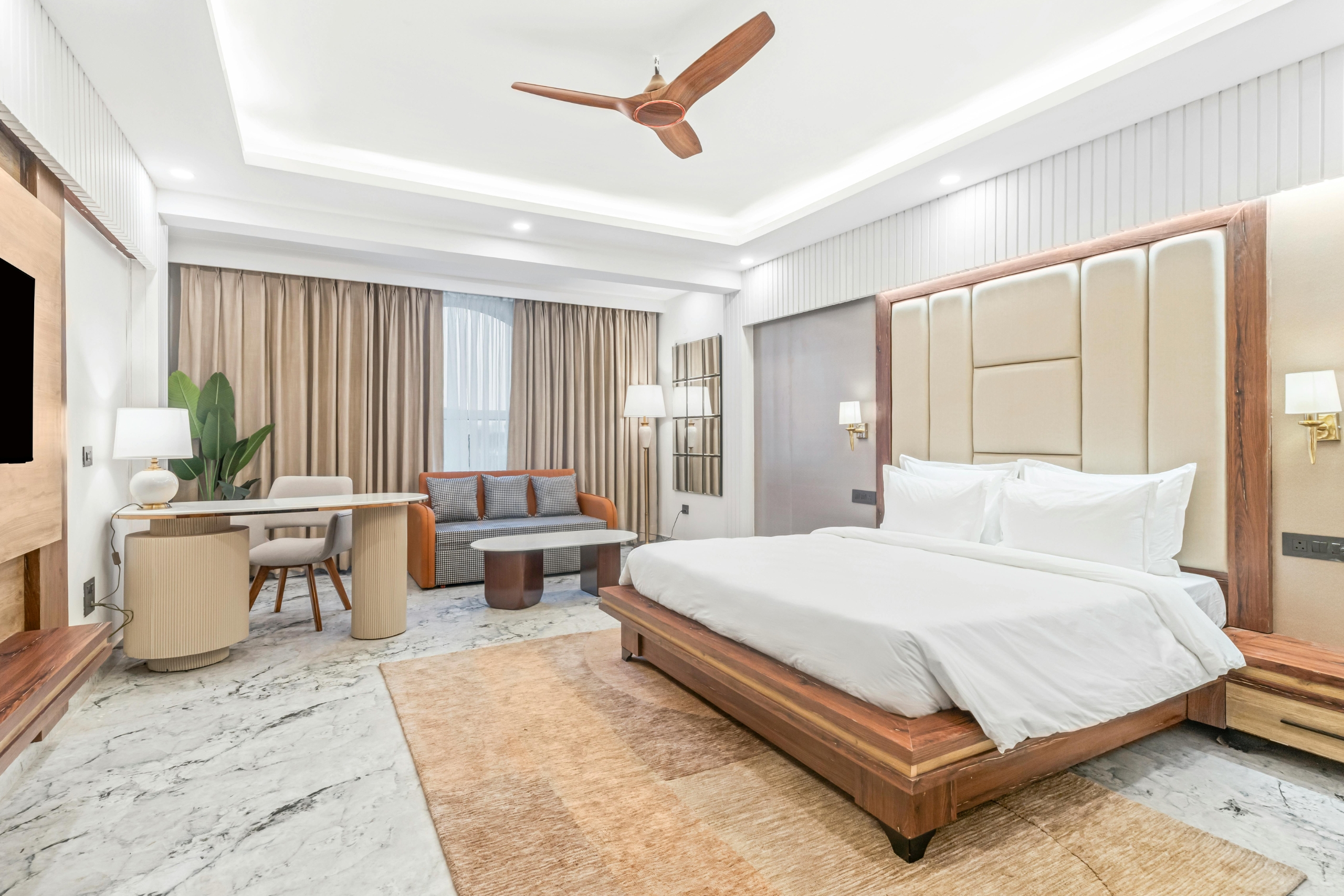
Modern Interior Design Ideas For Gen Z Homes And Living Spaces
Interior design has evolved significantly as younger generations bring fresh ideas and personal creativity into their living spaces. Gen Z individuals, known for their digital awareness, creativity, and individuality, often approach home design in unique and expressive ways. Rather than following traditional design rules, many Gen Z homeowners and renters prefer spaces that reflect personality, functionality, and comfort.
Modern living environments designed by Gen Z often combine minimalism, sustainability, and vibrant personal expression. Social media platforms and online design inspiration have also influenced how younger people decorate their homes, encouraging them to experiment with colors, textures, and innovative furniture arrangements.
For Gen Z individuals, interior design is not only about aesthetics but also about creating spaces that support productivity, relaxation, and creativity. Understanding the design approaches that appeal to this generation can help homeowners transform ordinary interiors into stylish and functional living environments that reflect modern lifestyles.
Embracing Minimalist and Functional Spaces
Minimalism has become a popular design approach among Gen Z homeowners and renters. This design style focuses on clean layouts, open spaces, and furniture that serves multiple purposes.
Many Gen Z individuals prefer uncluttered interiors where every item has a clear purpose. This approach helps create environments that feel calm and organized while maximizing the available space.
Multi-functional furniture is often a key feature in minimalist interiors. For example, foldable desks, storage beds, or compact seating solutions help maximize functionality in smaller living areas.
Following modern home interior styling tips allows Gen Z individuals to create stylish yet practical spaces that support everyday activities.
Adding Personal and Creative Touches
One of the defining characteristics of Gen Z interior design is personal expression. Younger homeowners often decorate their spaces with elements that reflect their interests, creativity, and lifestyle.
Wall art, posters, photography prints, and DIY decorations are commonly used to personalize living spaces. Many Gen Z individuals also enjoy displaying collectibles, plants, or handmade decorations that represent their personalities.
Colorful accents such as patterned rugs, decorative cushions, and unique lighting fixtures can also add character to a room.
By combining creativity with functionality, Gen Z interiors often feel lively, authentic, and visually engaging.
Incorporating Technology Into Living Spaces
Technology plays a major role in the daily lives of Gen Z individuals, and this influence extends to home design. Smart home devices and tech-friendly spaces are common features in modern Gen Z interiors.
Smart lighting systems, voice-controlled devices, and wireless charging stations help create convenient and efficient living environments. These technologies allow residents to control lighting, temperature, and entertainment systems easily.
Home workstations are also an important design element, especially for individuals who study or work remotely. Comfortable desks, ergonomic chairs, and proper lighting help create productive environments.
Integrating technology into home design improves both convenience and comfort.
Using Sustainable and Eco-Friendly Materials
Environmental awareness is another key factor influencing Gen Z interior design choices. Many individuals from this generation prefer sustainable materials and eco-friendly décor.
Furniture made from recycled materials, bamboo, or responsibly sourced wood has become increasingly popular. These materials support environmentally responsible living while maintaining modern aesthetics.
Gen Z homeowners may also incorporate indoor plants into their spaces. Plants not only improve air quality but also add natural beauty to interiors.
Sustainable design choices help create homes that are both stylish and environmentally conscious.
Creating Social and Relaxation Areas
Gen Z living spaces often focus on comfort and social interaction. Many young homeowners design areas where friends and family can gather comfortably.
Cozy seating areas, floor cushions, and relaxed lounge spaces are commonly used to create welcoming environments. These spaces encourage conversation, entertainment, and shared activities.
Lighting also plays an important role in creating relaxing atmospheres. Soft lighting, decorative lamps, or LED accent lights can help create warm and inviting spaces.
These design approaches contribute to creative property lifestyle upgrades, allowing individuals to enjoy both relaxation and social connection in their homes.
Conclusion
Gen Z interior design reflects a modern approach to home living that combines creativity, functionality, and personal expression. Unlike traditional interior design styles that often follow strict guidelines, Gen Z individuals prefer flexible spaces that adapt to their lifestyles and interests. Minimalist layouts, personalized decorations, smart technology, and eco-friendly materials all contribute to creating living environments that are both practical and visually appealing.
By focusing on comfort, sustainability, and individuality, Gen Z homeowners and renters can transform their spaces into environments that support both productivity and relaxation. Social spaces, creative décor, and modern technology help create homes that feel welcoming and connected to modern lifestyles. As this generation continues to influence design trends, their approach to interior design highlights the importance of authenticity and innovation. Through thoughtful design choices and creative expression, Gen Z individuals can create homes that reflect their values while offering stylish and functional spaces for everyday living.