
Modern Interior Design Ideas for Gen Z Homes and Living Spaces
Modern Interior Design Ideas For Gen Z Homes And Living Spaces

Interior design has evolved significantly as younger generations bring fresh ideas and personal creativity into their living spaces. Gen Z individuals, known for their digital awareness, creativity, and individuality, often approach home design in unique and expressive ways. Rather than following traditional design rules, many Gen Z homeowners and renters prefer spaces that reflect personality, functionality, and comfort.

Modern living environments designed by Gen Z often combine minimalism, sustainability, and vibrant personal expression. Social media platforms and online design inspiration have also influenced how younger people decorate their homes, encouraging them to experiment with colors, textures, and innovative furniture arrangements.

For Gen Z individuals, interior design is not only about aesthetics but also about creating spaces that support productivity, relaxation, and creativity. Understanding the design approaches that appeal to this generation can help homeowners transform ordinary interiors into stylish and functional living environments that reflect modern lifestyles.

Embracing Minimalist and Functional Spaces

Minimalism has become a popular design approach among Gen Z homeowners and renters. This design style focuses on clean layouts, open spaces, and furniture that serves multiple purposes.

Many Gen Z individuals prefer uncluttered interiors where every item has a clear purpose. This approach helps create environments that feel calm and organized while maximizing the available space.

Multi-functional furniture is often a key feature in minimalist interiors. For example, foldable desks, storage beds, or compact seating solutions help maximize functionality in smaller living areas.

Following modern home interior styling tips allows Gen Z individuals to create stylish yet practical spaces that support everyday activities.

Adding Personal and Creative Touches

One of the defining characteristics of Gen Z interior design is personal expression. Younger homeowners often decorate their spaces with elements that reflect their interests, creativity, and lifestyle.

Wall art, posters, photography prints, and DIY decorations are commonly used to personalize living spaces. Many Gen Z individuals also enjoy displaying collectibles, plants, or handmade decorations that represent their personalities.

Colorful accents such as patterned rugs, decorative cushions, and unique lighting fixtures can also add character to a room.

By combining creativity with functionality, Gen Z interiors often feel lively, authentic, and visually engaging.

Incorporating Technology Into Living Spaces

Technology plays a major role in the daily lives of Gen Z individuals, and this influence extends to home design. Smart home devices and tech-friendly spaces are common features in modern Gen Z interiors.

Smart lighting systems, voice-controlled devices, and wireless charging stations help create convenient and efficient living environments. These technologies allow residents to control lighting, temperature, and entertainment systems easily.

Home workstations are also an important design element, especially for individuals who study or work remotely. Comfortable desks, ergonomic chairs, and proper lighting help create productive environments.

Integrating technology into home design improves both convenience and comfort.

Using Sustainable and Eco-Friendly Materials

Environmental awareness is another key factor influencing Gen Z interior design choices. Many individuals from this generation prefer sustainable materials and eco-friendly décor.

Furniture made from recycled materials, bamboo, or responsibly sourced wood has become increasingly popular. These materials support environmentally responsible living while maintaining modern aesthetics.

Gen Z homeowners may also incorporate indoor plants into their spaces. Plants not only improve air quality but also add natural beauty to interiors.

Sustainable design choices help create homes that are both stylish and environmentally conscious.

Creating Social and Relaxation Areas

Gen Z living spaces often focus on comfort and social interaction. Many young homeowners design areas where friends and family can gather comfortably.

Cozy seating areas, floor cushions, and relaxed lounge spaces are commonly used to create welcoming environments. These spaces encourage conversation, entertainment, and shared activities.

Lighting also plays an important role in creating relaxing atmospheres. Soft lighting, decorative lamps, or LED accent lights can help create warm and inviting spaces.

These design approaches contribute to creative property lifestyle upgrades, allowing individuals to enjoy both relaxation and social connection in their homes.

Conclusion

Gen Z interior design reflects a modern approach to home living that combines creativity, functionality, and personal expression. Unlike traditional interior design styles that often follow strict guidelines, Gen Z individuals prefer flexible spaces that adapt to their lifestyles and interests. Minimalist layouts, personalized decorations, smart technology, and eco-friendly materials all contribute to creating living environments that are both practical and visually appealing.

By focusing on comfort, sustainability, and individuality, Gen Z homeowners and renters can transform their spaces into environments that support both productivity and relaxation. Social spaces, creative décor, and modern technology help create homes that feel welcoming and connected to modern lifestyles. As this generation continues to influence design trends, their approach to interior design highlights the importance of authenticity and innovation. Through thoughtful design choices and creative expression, Gen Z individuals can create homes that reflect their values while offering stylish and functional spaces for everyday living.
How to Understand Your Dog’s Body Language and Behavior
How To Understand Your Dog’s Body Language And Behavior

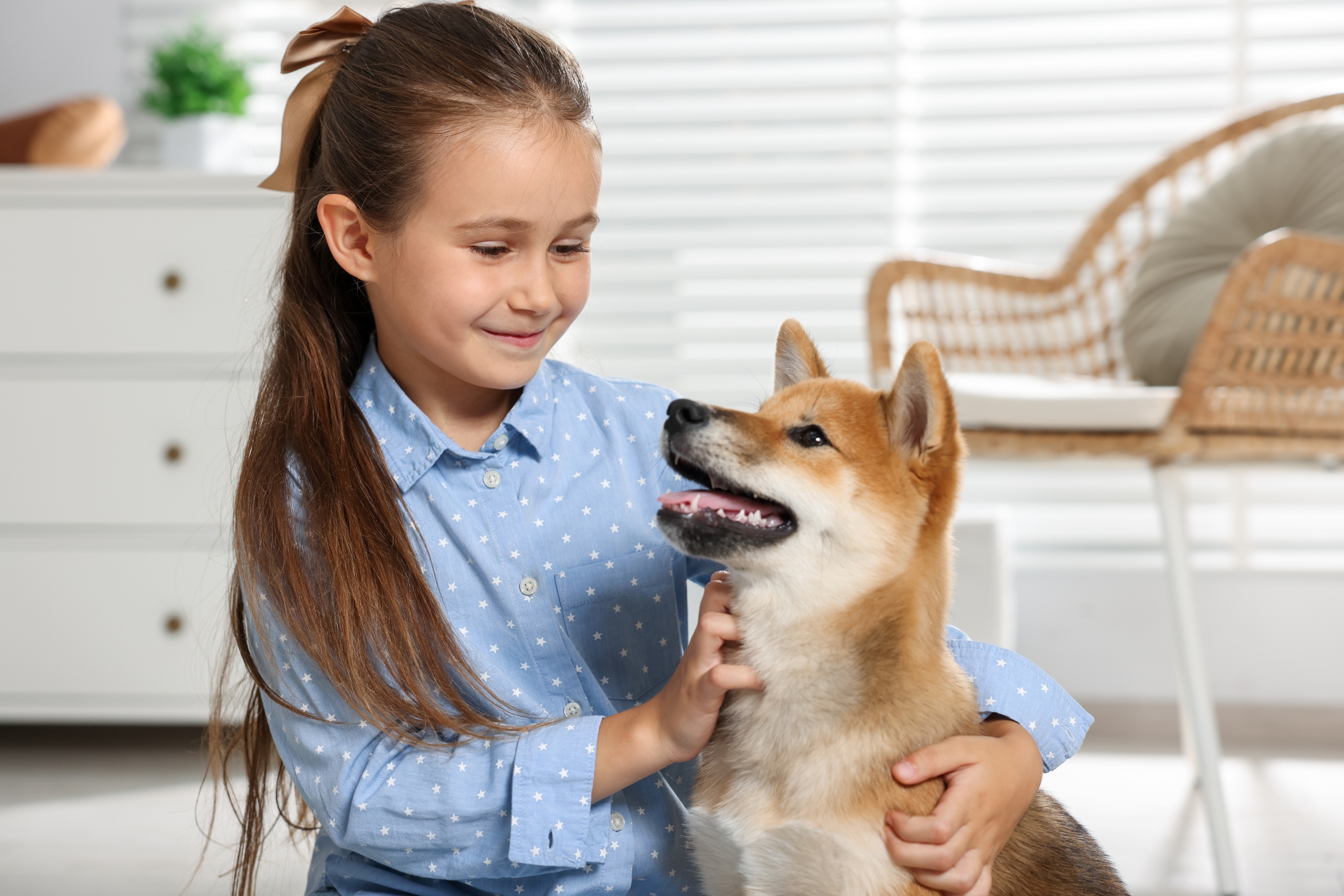
Dogs communicate with humans in many ways, but unlike people, they cannot express their feelings through words. Instead, they rely on body language, facial expressions, and behavior to show how they feel and what they need. Understanding these signals can help dog owners build stronger relationships with their pets and respond appropriately to their needs.

Many dog behaviors that seem confusing at first actually carry clear meanings when observed carefully. Tail movements, ear positions, posture, and vocal sounds all contribute to how dogs communicate with people and other animals. When owners learn to recognize these signals, they can better understand whether their dog feels happy, anxious, playful, or uncomfortable.

Developing this understanding is important for maintaining a healthy and trusting relationship between dogs and their owners. By paying attention to behavioral cues, pet owners can create safer environments and strengthen communication with their pets.

The Importance of Observing Dog Behavior

Observing a dog’s behavior closely helps owners understand what their pet is experiencing emotionally and physically. Dogs often use subtle signals to communicate before they resort to barking or other more obvious actions.

For example, a dog may show signs of stress through pacing, lowered ears, or avoiding eye contact. These behaviors can indicate discomfort or anxiety in certain situations.

When owners recognize these signals early, they can respond calmly and prevent the situation from escalating into fear or aggression. This awareness improves communication between dogs and their owners.

Learning about interpreting dog body language signals allows pet owners to understand their dogs’ needs more accurately and respond in supportive ways.

Understanding Tail Movements

A dog’s tail is one of the most recognizable indicators of its emotional state. However, tail wagging does not always mean that a dog is happy.

A relaxed wag with a loose body often indicates excitement or friendliness. Dogs may wag their tails when greeting their owners or when they anticipate playtime.

On the other hand, a stiff tail or slow wag can signal uncertainty or caution. In some cases, a high and rigid tail position may indicate alertness or dominance.

Observing the entire body posture along with tail movement helps owners interpret what their dog is trying to communicate.

Reading Facial Expressions and Ear Positions

Dogs also express emotions through their facial expressions and ear positions. Relaxed ears and soft eyes often indicate that a dog feels calm and comfortable.

When a dog’s ears move forward and its eyes focus intently on something, it may be showing curiosity or alertness. This behavior is common when dogs notice unfamiliar sounds or movements.

Conversely, flattened ears and narrowed eyes may indicate fear or anxiety. Dogs may also lick their lips or yawn repeatedly when they feel stressed.

Recognizing these facial signals allows owners to better understand their dog’s emotional state.

Body Posture and Movement

A dog’s posture provides important clues about how it feels in different situations. A relaxed dog typically stands or lies down comfortably with loose muscles and natural movements.

Playful dogs often display energetic movements such as jumping, bowing forward, or wagging their tails enthusiastically. The well-known “play bow,” where a dog lowers its front legs while keeping its rear raised, usually signals an invitation to play.

In contrast, a stiff posture with raised fur along the back may indicate fear, aggression, or defensive behavior.

Understanding these body cues helps owners determine whether their dog is comfortable or feeling threatened.

Responding to Your Dog’s Signals

Recognizing a dog’s communication signals is only the first step. Owners should also respond in ways that make their dogs feel safe and understood.

If a dog shows signs of fear or anxiety, providing space and a calm environment can help the animal relax. For playful behavior, engaging in activities such as fetch or walks helps satisfy the dog’s need for exercise and interaction.

Positive reinforcement training can also strengthen communication between dogs and their owners. Rewarding good behavior encourages trust and cooperation.

Practicing responsible pet care practices helps ensure that dogs feel secure and well understood in their home environments.

Conclusion

Understanding a dog’s language through its actions and behaviors is essential for building a strong and trusting relationship between pets and their owners. Dogs rely heavily on body language, facial expressions, and subtle behavioral signals to communicate their emotions and needs. By observing these cues carefully, owners can gain valuable insights into how their dogs are feeling in different situations.

Recognizing signals such as tail movements, ear positions, posture changes, and facial expressions allows owners to respond appropriately and support their dog’s well-being. This understanding helps prevent misunderstandings and reduces the risk of stress or behavioral issues. When owners learn to interpret their dog’s communication, they create a safer and more positive environment where their pets feel comfortable and secure. Developing this awareness also strengthens the bond between humans and dogs, allowing both to enjoy a healthier and more fulfilling companionship built on trust, care, and effective communication.

The Right Age for Daycare and How to Prepare Kids for Their First Day of School
The Right Age For Daycare And How To Prepare Kids For Their First Day Of School

Starting daycare or attending school for the first time is a major milestone in a child’s life. For many children, this experience marks their first time spending several hours away from their parents or primary caregivers. While this transition can be exciting, it can also bring challenges such as separation anxiety and adjustment difficulties. Parents often wonder what the right age is to introduce children to daycare and how they can help their child feel comfortable during this important transition.

Every child develops at their own pace, and the appropriate time for daycare may vary depending on family needs and the child’s emotional readiness. With proper preparation and supportive guidance, children can gradually become confident in new learning environments.

Understanding the best ways to prepare children for daycare and school helps parents create positive early experiences that encourage independence, social interaction, and long-term academic success.

Understanding the Appropriate Age for Daycare

Parents often ask when children should begin attending daycare. While there is no universal answer, many children start daycare between the ages of one and three years old. This stage is often suitable because children begin developing social awareness and communication skills.

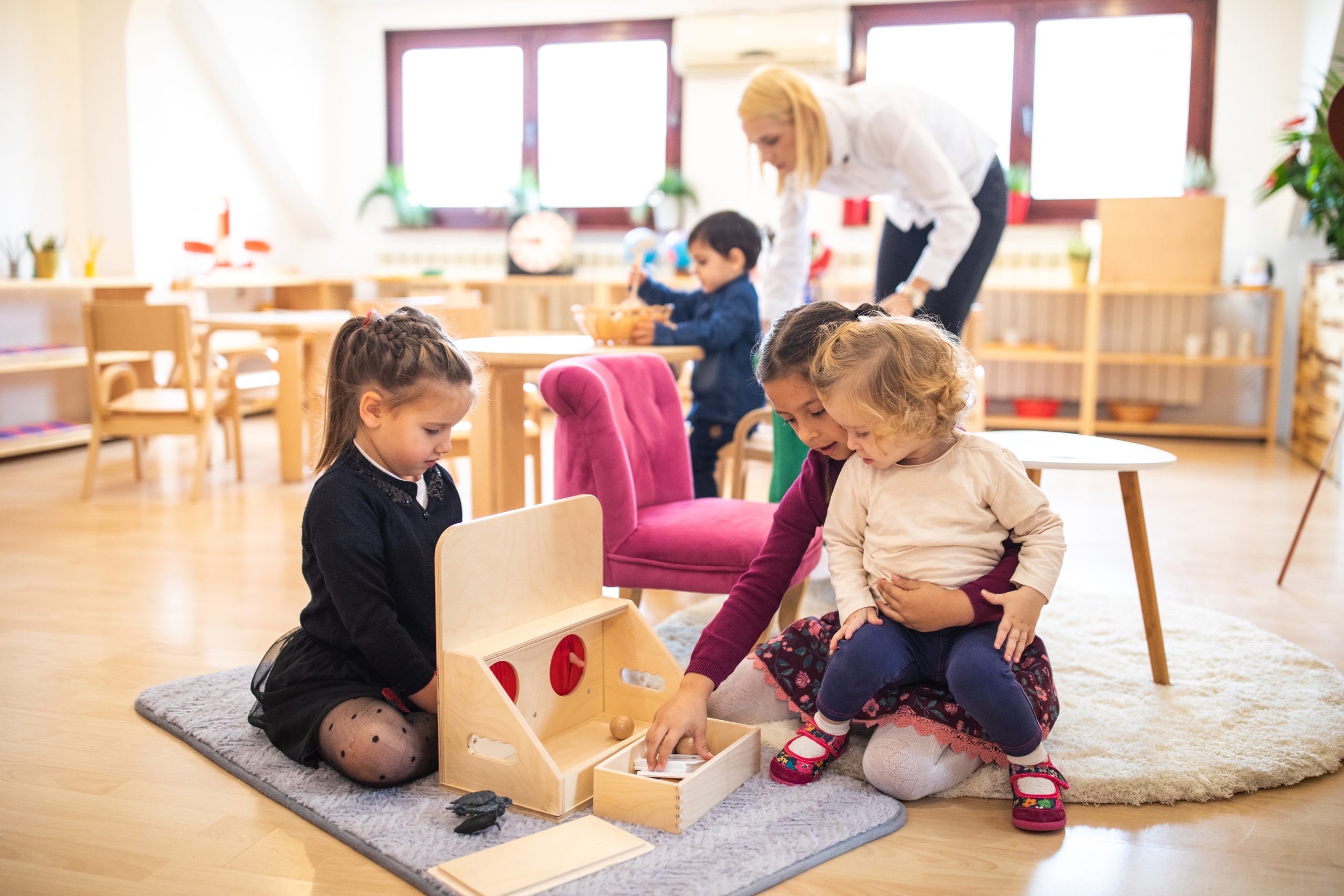
At this age, children benefit from interacting with peers and learning basic routines outside the home. Daycare environments can introduce them to structured activities such as playtime, storytelling, and simple educational exercises.

However, emotional readiness is just as important as age. Some children adapt quickly to new environments, while others may need more time to feel comfortable away from their parents.

Parents considering preparing children for daycare and school should observe their child’s personality, communication abilities, and comfort with social interactions before making decisions.

Recognizing Signs of Separation Anxiety

Separation anxiety is a common reaction when young children begin daycare or school. It occurs when children feel nervous or upset about being separated from their parents or caregivers.

Typical signs may include crying, clinging to parents, or expressing fear when it is time to leave home. These reactions are normal and usually temporary as children gradually adjust to new routines.

Children may feel anxious because unfamiliar environments and new caregivers can seem overwhelming at first. Consistency and reassurance from parents help children understand that daycare or school is a safe place.

Recognizing these signs allows parents to respond with patience and understanding while supporting their child’s emotional needs.

Preparing Children Before Their First Day

Preparation can greatly reduce anxiety when children start daycare or school. One helpful strategy is introducing the child to the new environment before their official start date.

Visiting the daycare center or school, meeting teachers, and exploring classrooms help children become familiar with the setting. This experience reduces uncertainty and builds confidence.

Parents can also talk with their children about what to expect during the day. Explaining activities such as playing with toys, meeting new friends, and listening to stories can make the experience feel exciting rather than intimidating.

Reading books about starting school or daycare can also help children understand that many other kids go through similar experiences.

Establishing Comforting Routines

Consistent routines provide a sense of stability for young children. Establishing regular schedules for waking up, getting dressed, and traveling to daycare helps create predictability.

Parents may also create simple goodbye rituals that reassure children before separation. For example, a hug, a wave, or a short phrase like “See you later” can help children feel secure.

It is important for parents to remain calm and confident during drop-off times. Children often respond to their parents’ emotions, so maintaining a positive attitude can help reduce anxiety.

With consistent routines, children gradually become more comfortable with their new environment.

Encouraging Social and Emotional Development

Daycare and early school experiences offer valuable opportunities for children to develop social and emotional skills. Interacting with other children helps them learn how to share, cooperate, and communicate effectively.

Teachers and caregivers often guide children through group activities that promote teamwork and problem-solving. These experiences help children build confidence and independence.

Participating in early learning environments also supports early childhood learning development, which plays an important role in preparing children for future academic success.

By encouraging social interaction and emotional growth, daycare programs help children develop skills that benefit them throughout their educational journey.

Conclusion

Introducing children to daycare or their first school environment can be both an exciting and emotional experience for families. While the appropriate age for daycare may vary depending on individual circumstances, careful preparation can help children transition more comfortably into new learning environments. By recognizing signs of separation anxiety and taking steps to prepare children gradually, parents can make the experience less stressful and more positive.

Visiting the school beforehand, establishing comforting routines, and maintaining supportive communication all contribute to building a child’s confidence. As children adapt to new surroundings, they begin to develop important social, emotional, and communication skills that support their growth. Early learning environments provide opportunities for children to interact with peers, explore new activities, and gain independence outside the home. With patience, encouragement, and thoughtful preparation, parents can help their children approach daycare and school with curiosity and confidence, setting the foundation for successful educational experiences in the years ahead.